Is Amy’s Gran Fondo taking place in September, and which sections of the Great Ocean Road will be closed? Yep, it usually goes down in mid-September, and you can expect a full closure of the Great Ocean Road between Lorne and Apollo Bay on race day – all to make way for cyclists, of course. That road then becomes a bike-only highway. If you’re driving, you’re stuck until the traffic is reopened.
Let’s get real for a second – this is usually the point where most road trip plans start to fall apart. Folks tend to underestimate the impact it’ll have, think it’ll just take an hour, and before you know it, you’re on some lengthy diversion through the scrub. I’ve seen it way more times than I care to remember.
Contents
- 1 What It Feels Like On The Ground (The Unvarnished Truth)
- 2 Where You Can Drive – And Where You Can Definitely Not
- 3 Getting There Without Wasting Half Your Day
- 4 Parking, Access Points, and the Little-Known Details
- 5 What Keeps Catching People Out Year After Year
- 6 Expectation Vs Reality (This Is Where Trips Unravel)
- 7 One Day On The Great Ocean Road – Do It Right
- 8 The Best Bit To Focus On When You’re Running Late
- 9 Don’t Let The Unexpected Blow Your Budget
- 10 Don’t Forget The Top Safety Tips
- 11 Who It Suits — And Who Should Think Twice
- 12 The Lesson That Changed How I Plan
- 13 Quick Checklist To Avoid Mistakes
- 14 The Bottom Line: Timing Really is Everything
- 15 FAQ
- 15.1 What are the main road closures on & off the course?
- 15.2 Can you drive between Lorne and Apollo Bay during the event?
- 15.3 Are the inland detours a reliable alternative?
- 15.4 Is it still worth visiting during the event weekend if you’re not a participant?
- 15.5 Do guided tours still run during the event?
What It Feels Like On The Ground (The Unvarnished Truth)
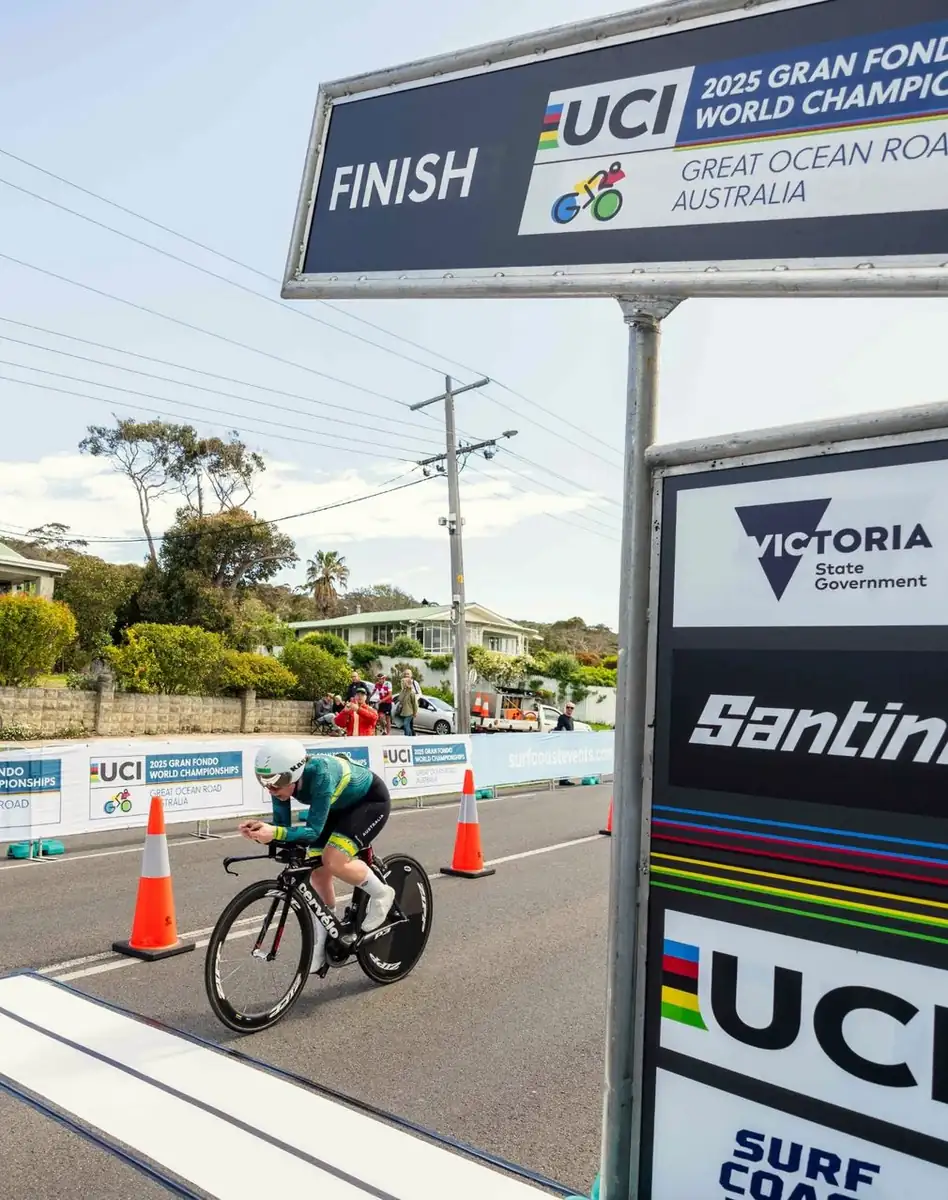
This thing is no small-time local event – this is a major operation, shutting a key coastal road for the day. You’ve got thousands of riders, a support crew, emergency services and traffic controllers at every access point, all trying to keep it all running smoothly.
When you’re actually there on the day, you quickly start to notice a few things –
- The road quality changes all the time – one minute it’s smooth, the next it’s all bumpy
- The corners are tight, and some are blind with next to no warning – and they often have you hugging the cliffs
- And in a lot of places, there’s no room for a shoulder – just a rail or bush
Which is why the closures are so strict. Honestly, there just isn’t a safe way to mix cars and cyclists along there on the day of the event.
Where You Can Drive – And Where You Can Definitely Not
Let’s cut through the muddle and get to what really matters – here are the bits you need to know about.
Key Sections And Real-World Access
| Section | Distance | Access On Race Day | What It Means For You |
|---|---|---|---|
| Lorne → Apollo Bay | ~45 km | Fully closed | No access at all during the closure window |
| Apollo Bay → Lavers Hill | ~20 km | Partial closures | Slow, stop-start traffic is possible |
| Anglesea → Lorne | ~30 km | Open | Heavy congestion early |
Timing Reality: closures usually run from around 7:00 am to 3:00 pm, but when and if they reopen depends on how quickly people can clear the route, which, of course, is very much dependent on the weather and wind that day.
Getting There Without Wasting Half Your Day

This is where planning really makes or breaks your trip – literally.
From Melbourne:
- To get to Lorne without any stops, you’re looking at about 2 hours on the road
- To Apollo Bay (if you take the road to Colac): it’s more like 3 to 3.5 hours
- If you’re visiting on event weekend, just add 30 to 60 minutes to that – you’ve got to factor in the extra traffic.
- If you want to beat the road closures, I’d be getting out of Melbourne by 5:30 to 6:00 am at the latest – any later than that and you’re taking a chance
And honestly, if all that sounds a bit much to handle, many people simply book a Melbourne day tour or a Great Ocean Road day tour – that way you get to skip the whole thing and let someone else deal with the hassle.
Parking, Access Points, and the Little-Known Details
If you do decide to drive to Lorne, then you need to understand that it’s going to get busy pretty early on.
By 7:30 am, most of the parking spots have been taken – sometimes they start to fill up before that.
If you do manage to find a park, you’ll probably have to do so uphill and then make your way back down into town – it’s not exactly the most ideal set-up.
And just to throw another spanner in the works, the access roads are closed off for a good chunk of the day, so you can’t just pop over the top of the road whenever you like.
Apollo Bay is a bit more forgiving, but still pretty busy – if you’re staying overnight, then I’d book a spot ASAP as prices tend to skyrocket during the event weekend.
What Keeps Catching People Out Year After Year
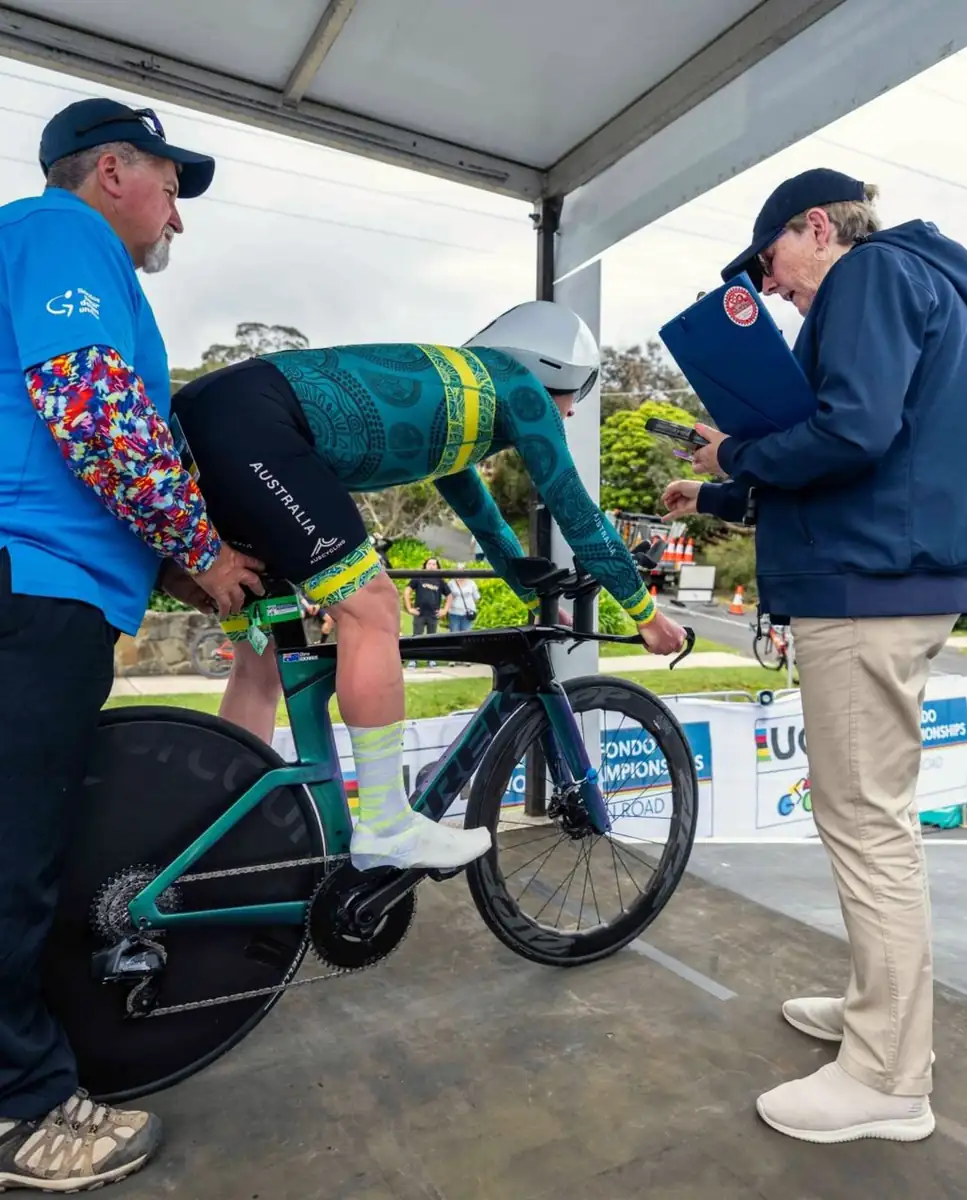
After all these years of running trips and seeing how people get around this area, a few things keep coming up over and over again.
First and foremost, people seem to trust their GPS a bit too much. Your phone might say the road is open, but the reality is that closures don’t always update properly – especially if your web browser is being a bit temperamental or is blocking scripts – and you get turned around.
Secondly, detours look like a much more appealing option on a map than in real life – the inland routes are tiny and winding and can be a real crawl, especially when you’re stuck behind other vehicles.
Thirdly, people try to “time it perfect” and that’s a pretty dodgy bet. If the riders are delayed, the road closures get extended. And if the weather or wind picks up, everything goes out the window.
Expectation Vs Reality (This Is Where Trips Unravel)
| What People Expect | What Actually Happens |
|---|---|
| “We’ll drive through mid-morning” | Full road closure — no access |
| “Detours will save time” | Longer, slower, mentally draining drives |
| “Parking will be easy” | Limited spots, uphill walks |
| “It’s just a cycling event” | It’s a full road network shutdown |
One Day On The Great Ocean Road – Do It Right
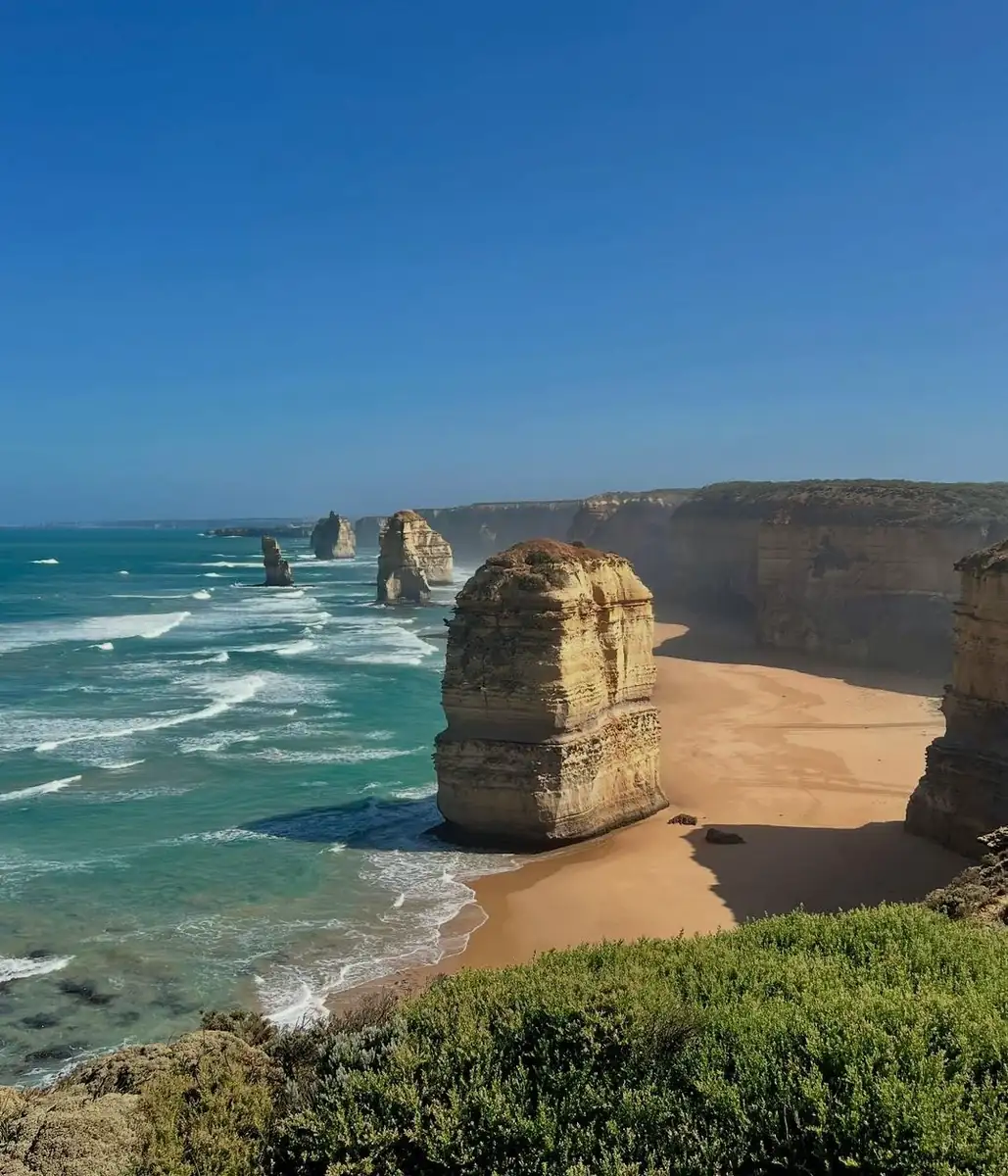
Don’t even think about trying to tackle the whole thing from event day – it’s a recipe for disaster. A smarter move is to make the most of your time.
If you’ve only got one day to play with:
- Start the day heading inland from Melbourne and get to Apollo Bay as quickly as you can – the Colac route usually gets you there faster
- Take in the westward views towards the Twelve Apostles from the comfort of your car
That stretch of coastline is the most iconic, and you’ll avoid all the closure headaches that come with the event. Many people actually adapt their road trip itineraries to avoid those bottlenecks.
The Best Bit To Focus On When You’re Running Late
We’ve learned through experience that the sweet spot is this stretch:
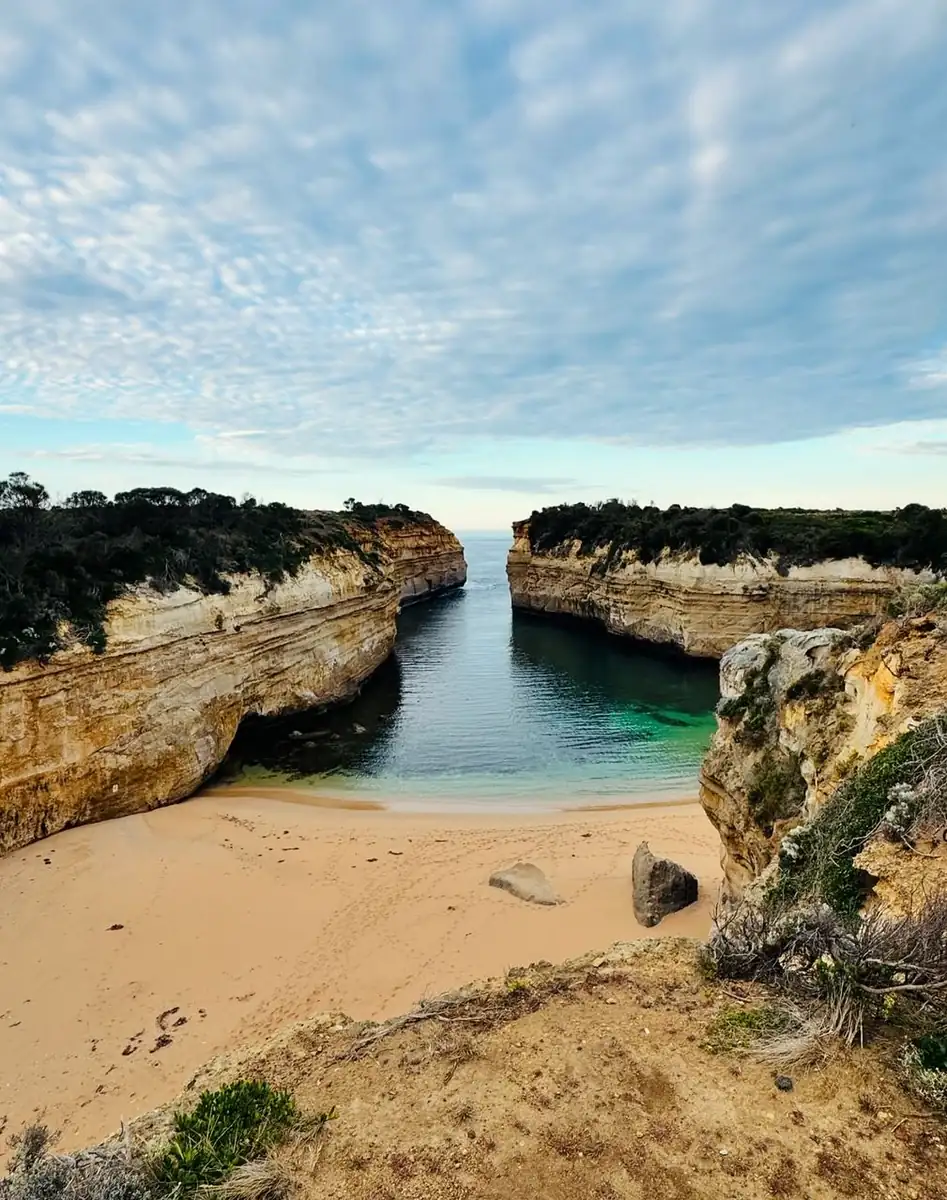
Apollo Bay to Twelve Apostles to Loch Ard Gorge
That’s because:
- It’s less likely to be impacted by closures
- You can get to it more easily from the inland
- The driving distances between the sights are short
You’ll get to enjoy the coast without wasting your whole day stuck in traffic.
Don’t Let The Unexpected Blow Your Budget
This isn’t a cheap weekend getaway if you’re not prepared for the costs.
- Fuel will set you back around $80 to $120 AUD return from Melbourne
- Eating in coastal towns will cost you $20 to $35 AUD per person
Accommodation really adds up:
- Budget: You’re looking at around $150 AUD
- Mid-range: $220 to $350 AUD
- And if you’re doing it during the event, you can bet the prices will be even higher
Tour options – like a great ocean road tour Melbourne – usually come in at:
$120 to $180 AUD per person
For many people, that extra cost is worth it just to avoid all the hassle of closures and detours.
Don’t Forget The Top Safety Tips
Even without the event to contend with, this road still demands some serious respect.
- The weather can go from calm to crazy in the blink of an eye – wind and rain can roll in fast
- Wildlife is active at dawn and dusk, so be on the lookout
- Road conditions are really varied, especially inland
- And then there’s the big one – fatigue. Driving those inland detours after a long day on winding roads can be a real killer. I’ve seen people arrive looking as exhausted as if they’d been on a multi-day hike.
Who It Suits — And Who Should Think Twice
This trip is really ideal for folks who are:
- Pretty confident on the wheel, with some experience with winding roads
- Travellers who are comfortable with flexibility when plans change
- People who don’t mind getting up with the sun
But, if:
- You’re still getting used to driving in Australia
- Time is very tight
- Narrow or rural roads keep you up at night – the kind of roads where you wonder who built them
Then, a guided tour like Great Ocean Road Tours is probably a safer bet.
The Lesson That Changed How I Plan
About a year ago, I was convinced we could just push through after breakfast without any issues. ‘Just one more cafe stop, I told my mates. Well, we cruised into Lorne and – bingo – all hell had broken loose. Traffic controllers were turning people around left and right.
We were sidetracked inland, added nearly two hours to the trip, and I thought, ‘no more guessing, no more trying to sneak in. Since then, I make a point of checking the closures beforehand – no more surprises.
Quick Checklist To Avoid Mistakes
- Get out of Melbourne before 6:00 am if you’re driving through
- Keep an eye on Live Traffic, but don’t just rely on what the app says – use it as a guide, not the rule
- Download a decent offline map, so you know what’s going on
- Sort out accommodation ahead of time, don’t leave it to the last minute
- Plan for a bit of extra time – more than you think you need, actually – traffic and closures can still pop up out of nowhere
The Bottom Line: Timing Really is Everything
Amy’s Gran Fondo is a real highlight, but it throws a curveball at the locals on the day.
If you get your timing right, you’ve got two options:
- Glide through to your destination before the roadblocks go up\
- Or just kick back and enjoy the atmosphere
But if you don’t – well, be prepared to spend hours stuck in traffic, wondering why your Great Ocean Road adventure turned into a disaster
There’s a simple rule to follow here: work with the road closures, not against them
FAQ
What are the main road closures on & off the course?
Typically, they start around 7 am and finish between 1 and 3 pm, but the exact timing depends on the race’s outcome.
Can you drive between Lorne and Apollo Bay during the event?
No way – that stretch is completely closed to general traffic during the race, so you’ll need to plan ahead.
Are the inland detours a reliable alternative?
They work, but don’t expect to make up for lost time. They’re slower and more demanding than you might think.
Is it still worth visiting during the event weekend if you’re not a participant?
Absolutely – just plan around the closures or focus on the sections that are still open to the public.
Do guided tours still run during the event?
Yes, they do – many tour operators adjust their routes to steer clear of closed areas and keep the trip running as smoothly as possible.