Training for ‘aquarelle’ vs. ‘lipstick effect’ – Do you need separate courses? That’s a question I get sent a lot – nearly every week in fact – from artists who’ve got their soft lip work down but are still having a bit of a struggle with those bold borders. They’ve usually got their lip work looking pretty okay, but it’s just not quite right. I’m Olha Po, founder of Face Figurati, and I’ve been tattooing lips in Melbourne for quite a while now – nearly a decade – and I’ve come to the conclusion that taking technique-specific courses really is the key to getting those predictable results – and that’s what keeps your clients coming back for more.
Now, many artists start with our lip blush tattoo training at Face Figurati, especially when they’re looking to move into more advanced lip styles.
Contents
- 1 Why Expanding Your Skills Matters For Modern Lip Clients
- 2 What Defines Soft-Shade Lip Work
- 3 How Bold Lip Styles Demand Additional Precision
- 4 Why Technique-Specific Learning Improves Your Results
- 5 A Quick Table To Compare Technique Requirements
- 6 Suggested Learning Path For Melbourne Artists
- 7 Final Reflection — And A Quick Word From Me
- 8 FAQ
Why Expanding Your Skills Matters For Modern Lip Clients
The thing is, Melbourne beauty clients are a pretty savvy bunch – they know the difference between those really subtle aquarelle lips and the more dramatic lipstick effect, and they’re not going to settle for anything less than a perfect finish. That’s why proper training in both styles is just so important if you want to offer consistent results.
Whether you’re working on your own or trying to bring your skills into a bigger place like a Cosmetic Tattoo Studio in Melbourne, the fundamentals of things like health and safety, machine control and permanent cosmetic procedures are just as important as having the skills to do the actual art.
In fact, I always tell my students that lip blush tattoo training with Face Figurati isn’t just about technique – it’s also about understanding how skin behaves, how the Melbourne climate can affect your work, what clients really want from you, and what their lips will look like after they’ve healed.
What Defines Soft-Shade Lip Work
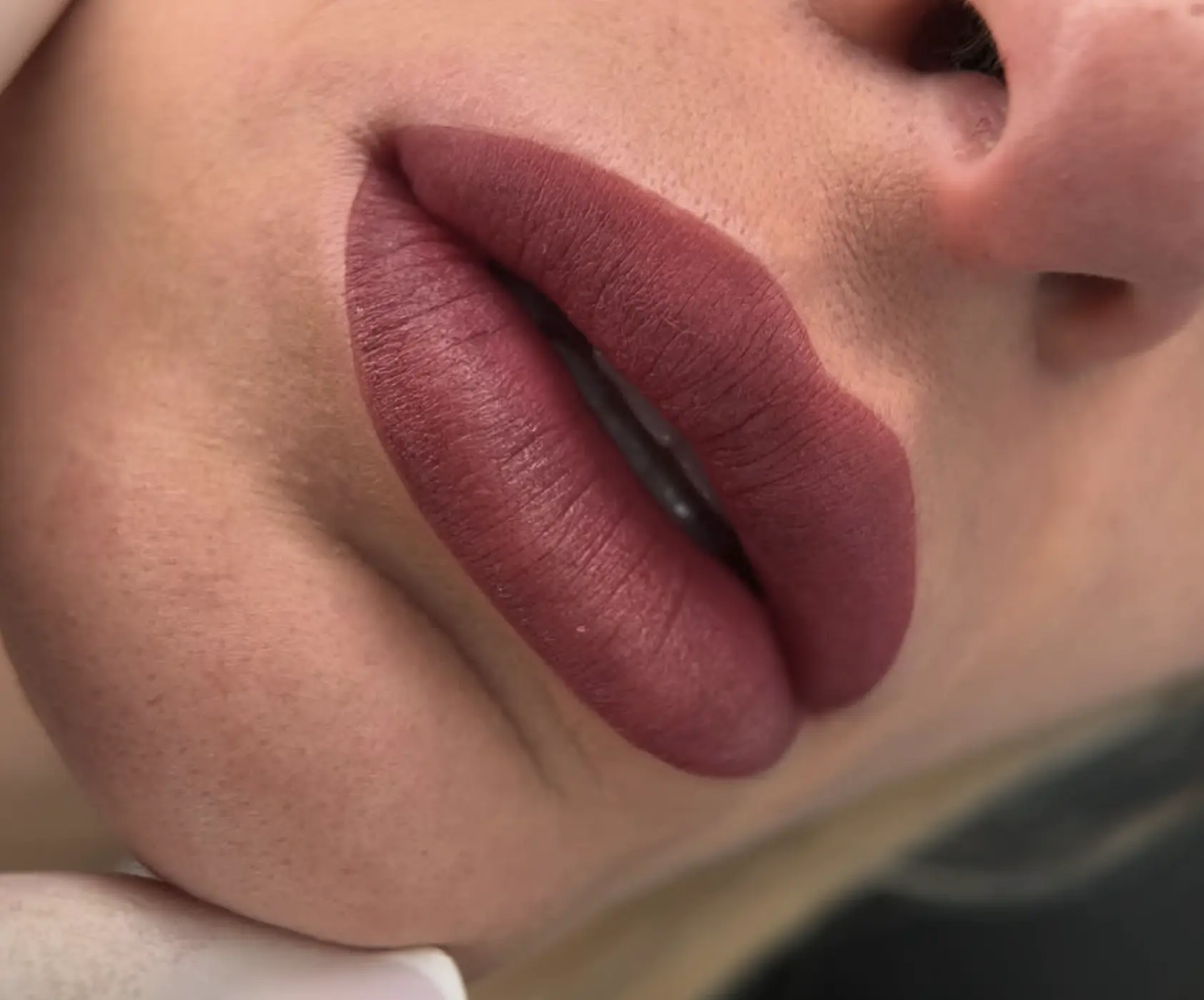
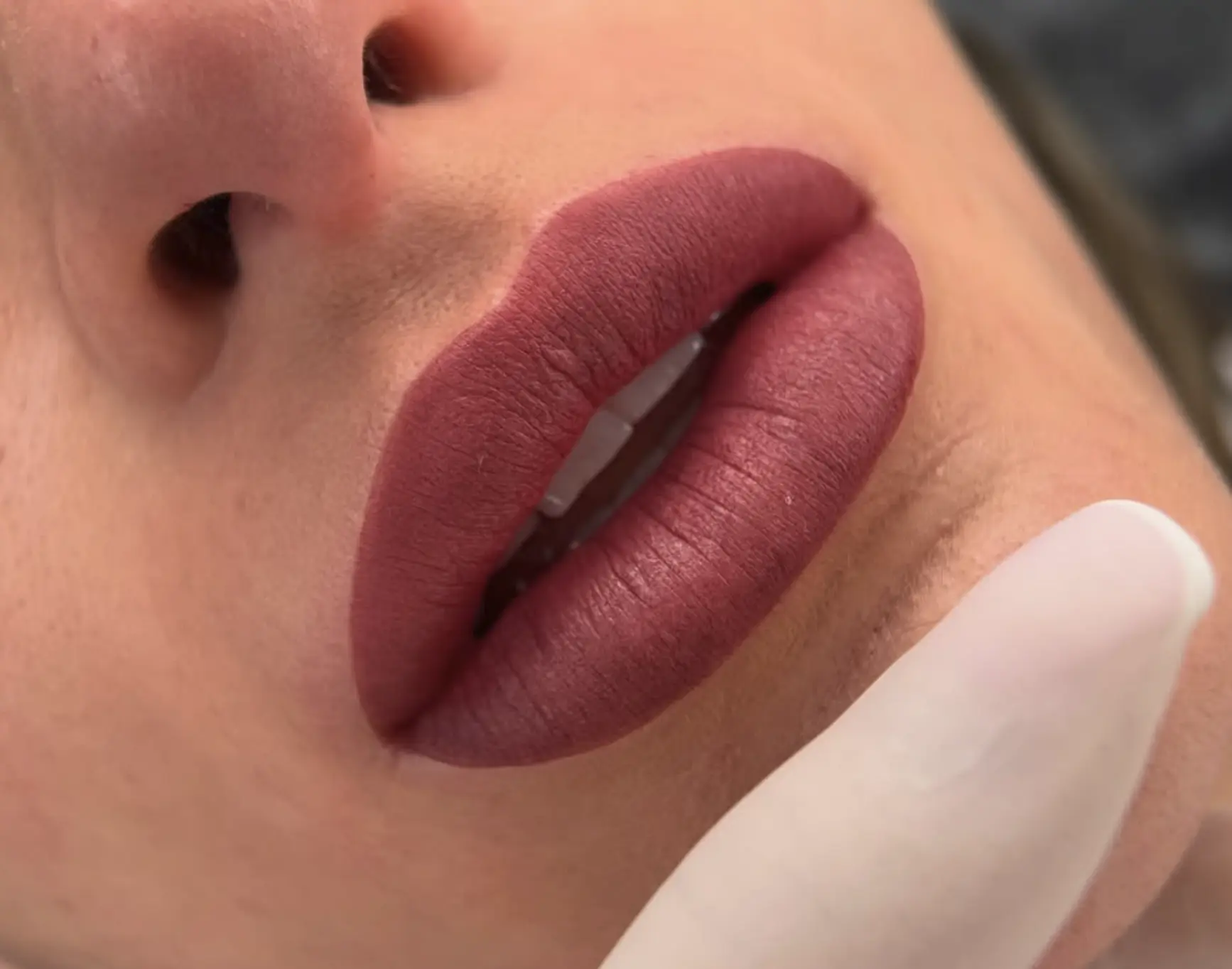
Aquarelle lips are all about looking natural and subtle – that “enhanced your natural lip look” effect. And getting it right every time requires a lot of practice and patience, as well as mastery of all sorts of skills, like lip colour theory, and how to control pigment loads, and it takes a bit of a subtle touch to avoid over-saturating the skin.
When they’re learning this technique, I usually recommend that artists start with latex skins to get a feel for the movement before moving on to real lips. It’s also super important to have a good understanding of skin anatomy, how the skin responds to different things, and what the underlying lip tones are like – because if you don’t, you’re going to struggle to work with clients who have really different skin types, even those who come through Cosmetic Tattoo Melbourne, low-density who often just want something really natural.
Skills Covered In Soft Lip Techniques
- Soft shading using a liner and Magnum needles in low-density settings.
- Building up a gradual gradient to achieve a translucent finish.
- Working out pigment selection, pigment mixing, and adjusting for undertones.
- How to neutralise uneven or blue-toned lips.
- Adapting to how lips heal in Melbourne’s dry winters.
Now, students will quickly figure out why our lip blush tattoo training places so much emphasis on layering pigment instead of applying heavy colour all at once.
How Bold Lip Styles Demand Additional Precision
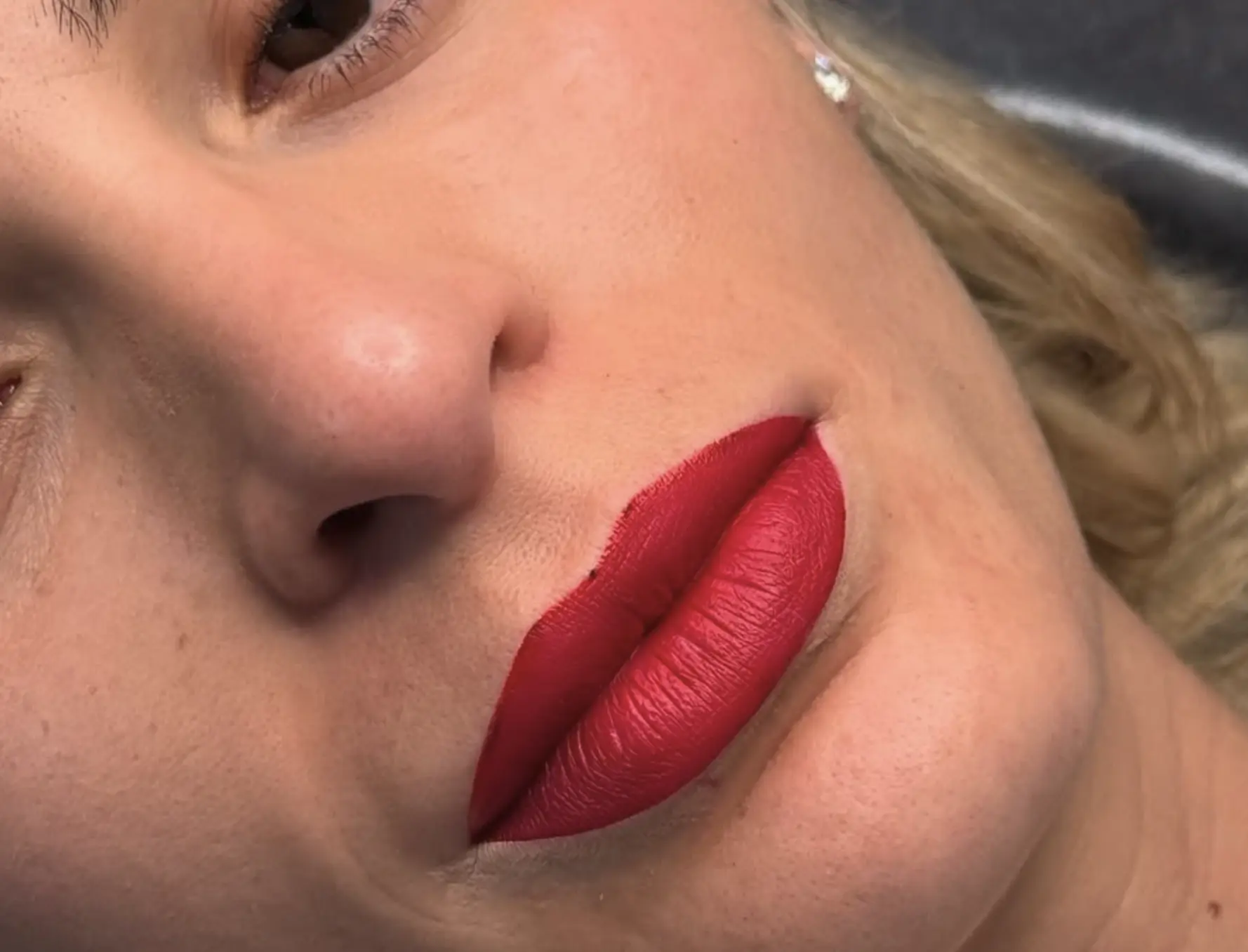
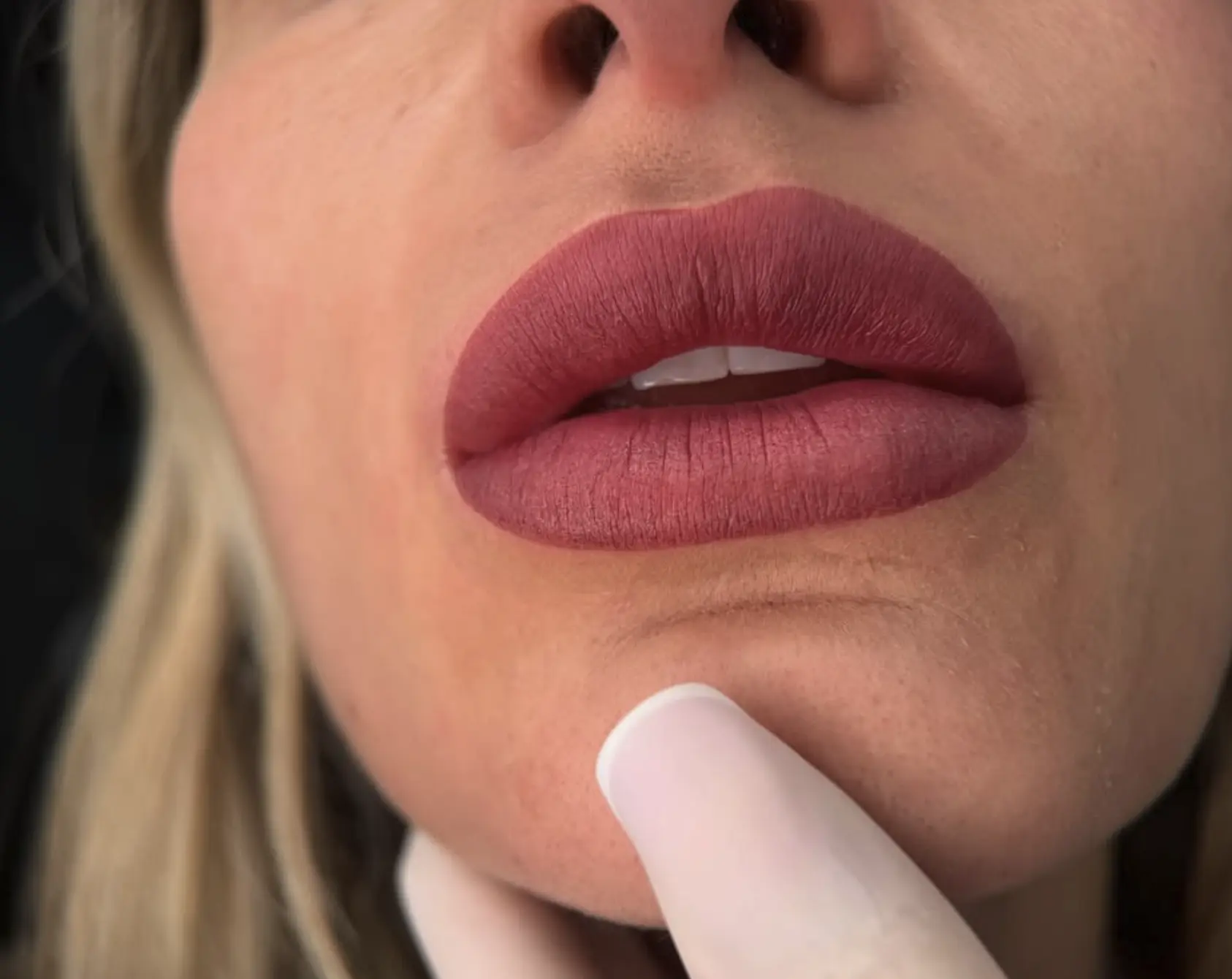
The lipstick effect is all about precision, definition and intensity – the complete opposite of a soft watercolour look. As such, you need to be bang on with sharp borders, vivid pigment and advanced layering.
You can’t just wing it here, either. If your depth control or pigment distribution is inconsistent, it’ll show. And if your colour theory is off, your final result may look too cool or too warm – one of the most common reasons artists return for retraining.
Studios like Cosmetic Tattoo Melbourne find that clients choosing this style want a perfect lipstick finish without smudging, which requires accurate border mapping and even colour saturation. That’s why these skills are taught in separate training modules.
Skills Required For High-Definition Lip Results
- Creating crisp borders using the correct liner needle.
- Packing colour using magnum needles for high saturation.
- Maintaining control over your PMU machine.
- Achieving even coverage in areas prone to exfoliation.
- Understanding how colour heals over time.
Many beginners who start with lip blush eventually expand into the lipstick effect once they master the fundamentals.
Why Technique-Specific Learning Improves Your Results
If you’re aiming for versatility and confidence, the answer is yes. These techniques may seem similar, but they differ in hand movement, saturation levels, pigment choices, and final outcomes.
Artists who focus only on aquarelle lips often struggle with sharp definition, while those trained only in bold styles may lack control for soft finishes. Studios in Melbourne – including Cosmetic Tattoo Melbourne – consistently achieve better results when artists train in both techniques separately.
A Quick Table To Compare Technique Requirements
| Technique | Aquarelle Lips | Lipstick Effect |
| Client Style | Soft, natural tint | Bold, defined finish |
| Pigment Load | Light–medium | High saturation |
| Primary Skill | Sheer gradients | Border precision + solid colour |
| Needle Choice | Mostly liners | Liners + magnum needles |
| Theory Needed | Soft-shade colour theory | Advanced colour theory |
| Healing Time | 5–7 days | 7–10 days |
| Common Error | Oversaturation | Patchiness or uneven borders |
More than 60% of Melbourne clients request soft lip colour, while 40% ask for bolder results — meaning both techniques are essential for a modern PMU artist.
Suggested Learning Path For Melbourne Artists
Choosing to learn in structured stages helps build a strong foundation before moving into more advanced lip techniques.
Start With Natural Lip Work
This is where you’ll learn health and safety, understand skin behaviour, and develop needle control – the foundation of all lip tattooing.
Progress To Saturated Colour Techniques
Once you’re confident with gradients and pressure control, move into more structured pigment application.
Practise On Latex Before Real Lips
Build muscle memory using latex practice skins before working on clients.
Study Undertones Thoroughly
Your colour theory decisions will impact the healed result more than any tool or needle.
Learn Business And Client Communication
Strong consultation skills and a clear business setup are essential for long-term success – something studios like Cosmetic Tattoo Melbourne emphasise heavily.
And yes, the lip blush tattoo course provides hands-on experience from consultation through to analysing healed results.
Final Reflection — And A Quick Word From Me
A well-structured training journey builds confidence, consistency, and technical depth – the key ingredients for delivering results clients genuinely want.
Whether you’re working independently, joining a studio like Cosmetic Tattoo Melbourne, or building your own client base, mastering both soft and bold lip techniques gives you the versatility needed to succeed.
FAQ
Can one course teach both techniques well?
In short, probably not – the muscle memory required for each technique is quite different.
Are pigments interchangeable between aquarelle and lipstick effect?
No – sheer pigments behave very differently from opaque pigments.
What needles should I invest in first?
Start with standard liners, then add magnum needles as you progress.
Do I need lip neutralisation training?
Yes – especially in a diverse city like Melbourne where clients have varied lip undertones.
How do I know which style to offer clients?
It comes down to understanding your client’s lifestyle, makeup habits, and desired healed results through proper consultation.