When do Ningaloo Coast campground bookings open for 2026? That question — When Do Ningaloo Coast Campground Bookings Open For 2026 — is the one that catches most travellers off guard, and the short answer is this: bookings typically release in rolling windows about 180 days (6 months) in advance via Park Stay WA, starting from mid-to-late 2025.
So if you’re planning a June or July 2026 trip — peak time along Ningaloo Reef — you’ll need to be ready around January 2026, sitting in the booking system before the rush kicks off.
And I mean properly ready — logged in, dates sorted, and your credit card details within reach. Because once you hit the payment stage, you don’t get time to think.
I’ve seen more people miss out here than anywhere else in Western Australia — and it’s not because they didn’t plan. It’s because they didn’t understand how fast it all moves.
Contents
- 1 Why Timing Matters Most
- 2 What Drives The Rush Along This Coastline
- 3 How Park Stay WA Works
- 4 What Happens When Bookings Open
- 5 Booking Windows At A Glance
- 6 What Booking Day Actually Feels Like
- 7 What Actually Helps You Get A Site
- 8 Choosing Where To Stay Along The Coast
- 9 Weather & Crowd Timing Guide
- 10 Fuel, Distance & Remote Travel
- 11 What You Need To Bring (And Why It Matters Big Time)
- 12 Real Conditions On The Ground
- 13 A Quick Note On The Wild Stuff And Local Operators
- 14 Why Early Planning Makes All the Difference
- 15 Final Word – Lock It In Early Or Be Flexible
- 16 Planning a Coral Coast Trip?
- 17 FAQ
- 17.1 How Long Should I plan for a 2026 trip along this coast?
- 17.2 Do I need to be available at a specific time to secure a campsite?
- 17.3 Are places like Turquoise Bay and Oyster Stacks really that hard to get into?
- 17.4 Is it easier if I stay outside Cape Range National Park?
- 17.5 Can I still enjoy Ningaloo Reef if I don’t get one of the prime campsites?
Why Timing Matters Most
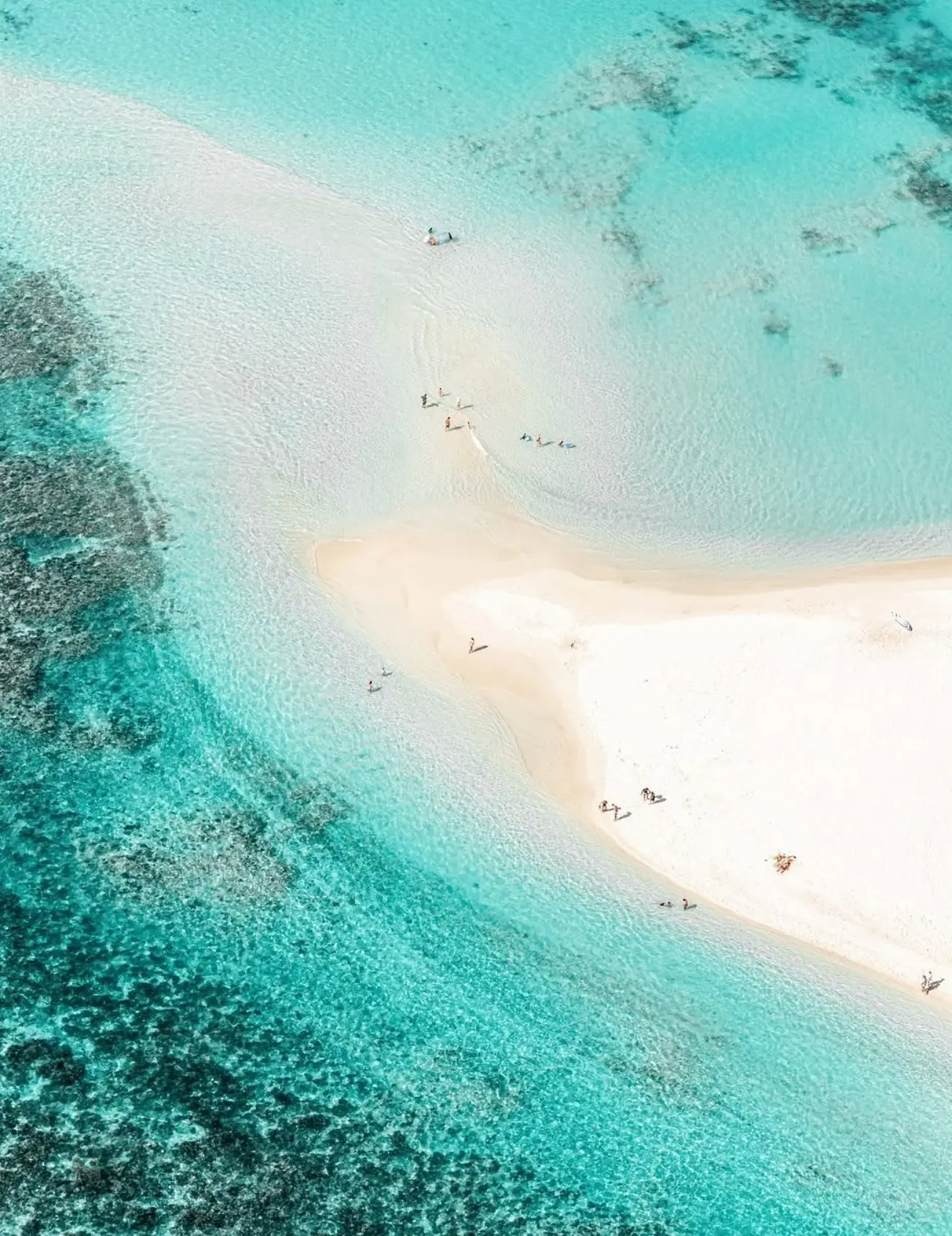
Out here along the Ningaloo Coast, the timing of your booking will make or break your entire trip. You can have your route dialled in, your 4WD setup sorted, and still end up sleeping miles inland if you miss that release window.
The reality is simple — access is limited, and demand is through the roof during peak periods.
What Drives The Rush Along This Coastline
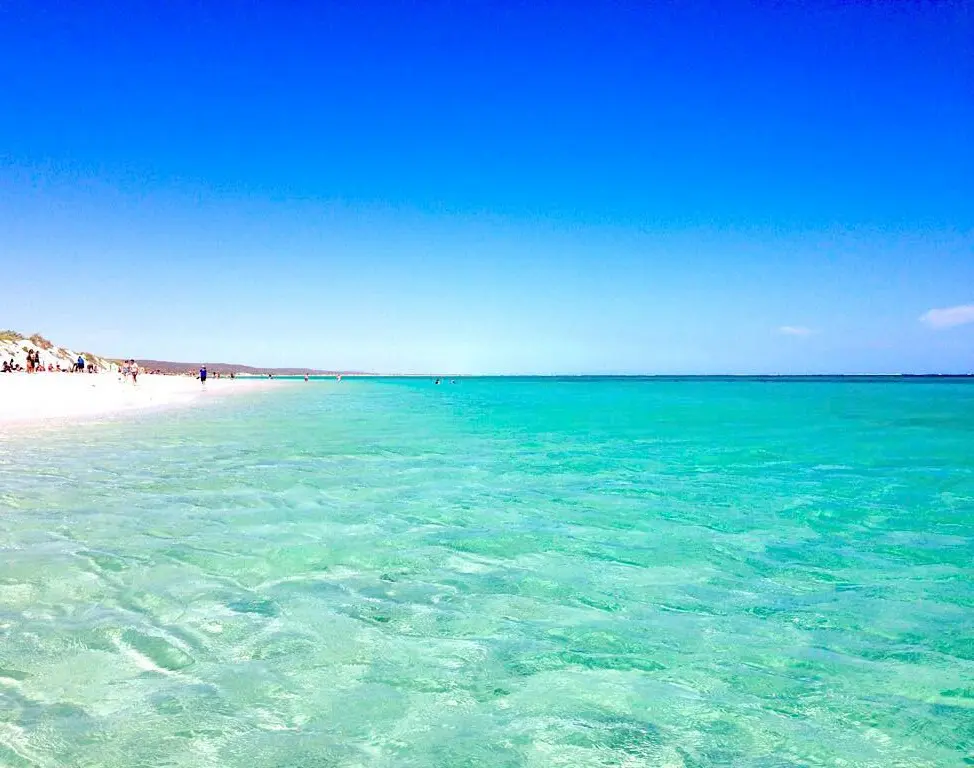
- Tight campground limits inside Cape Range National Park
- Direct access to Ningaloo Reef straight from the beach
- High demand during dry season travel windows
- Growing popularity of self-drive trips across Western Australia
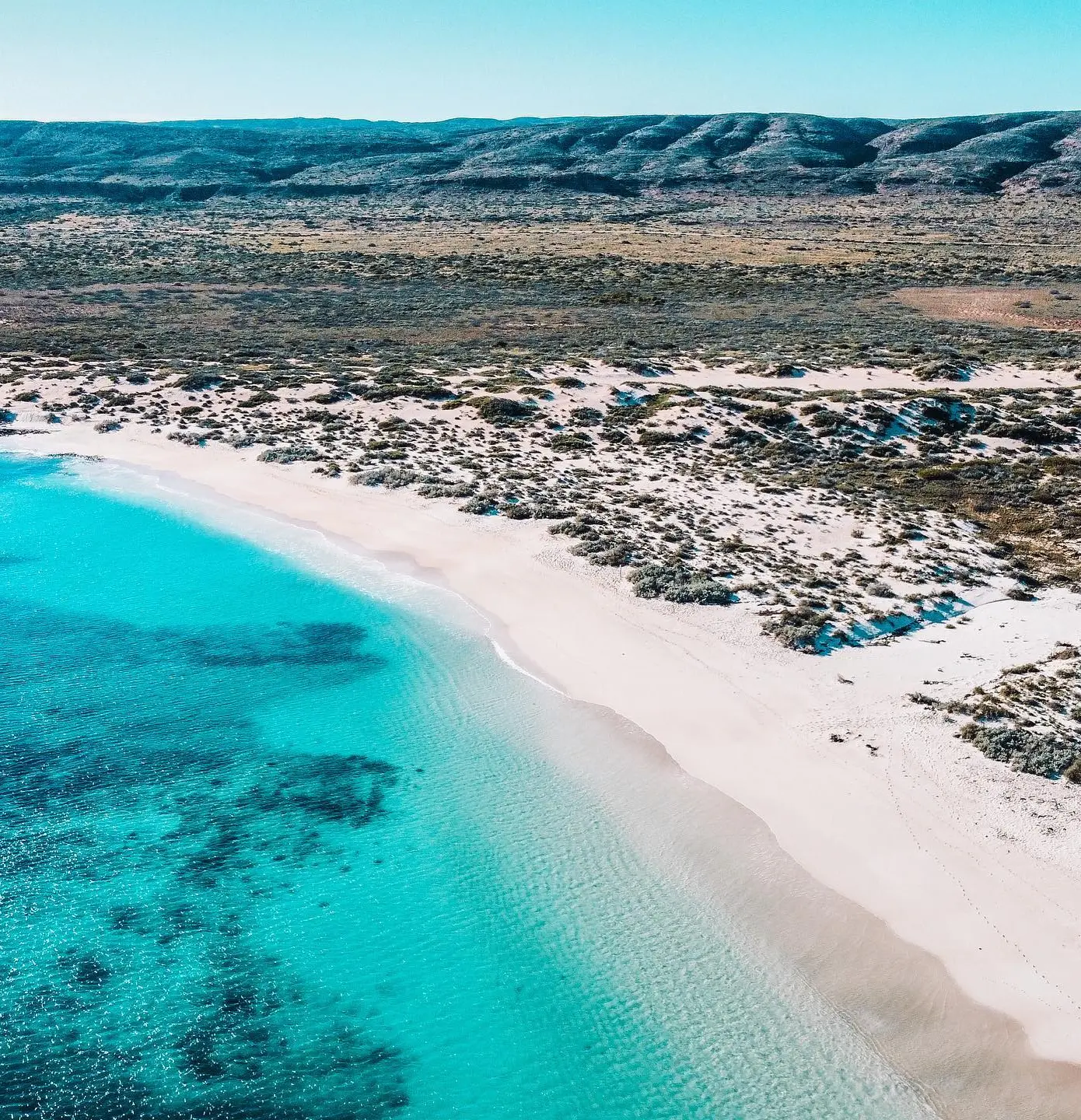
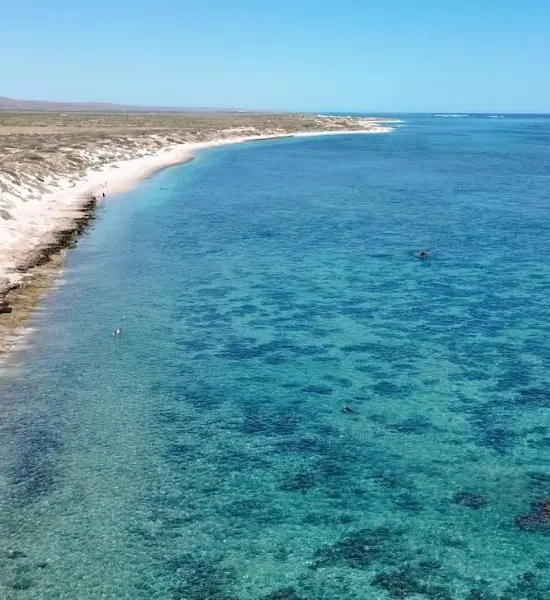
The reef stretches roughly 260 kilometres, making it one of the largest fringing reefs in the world — and one of the easiest to reach without a boat. That accessibility is exactly why bookings disappear so quickly.
How Park Stay WA Works
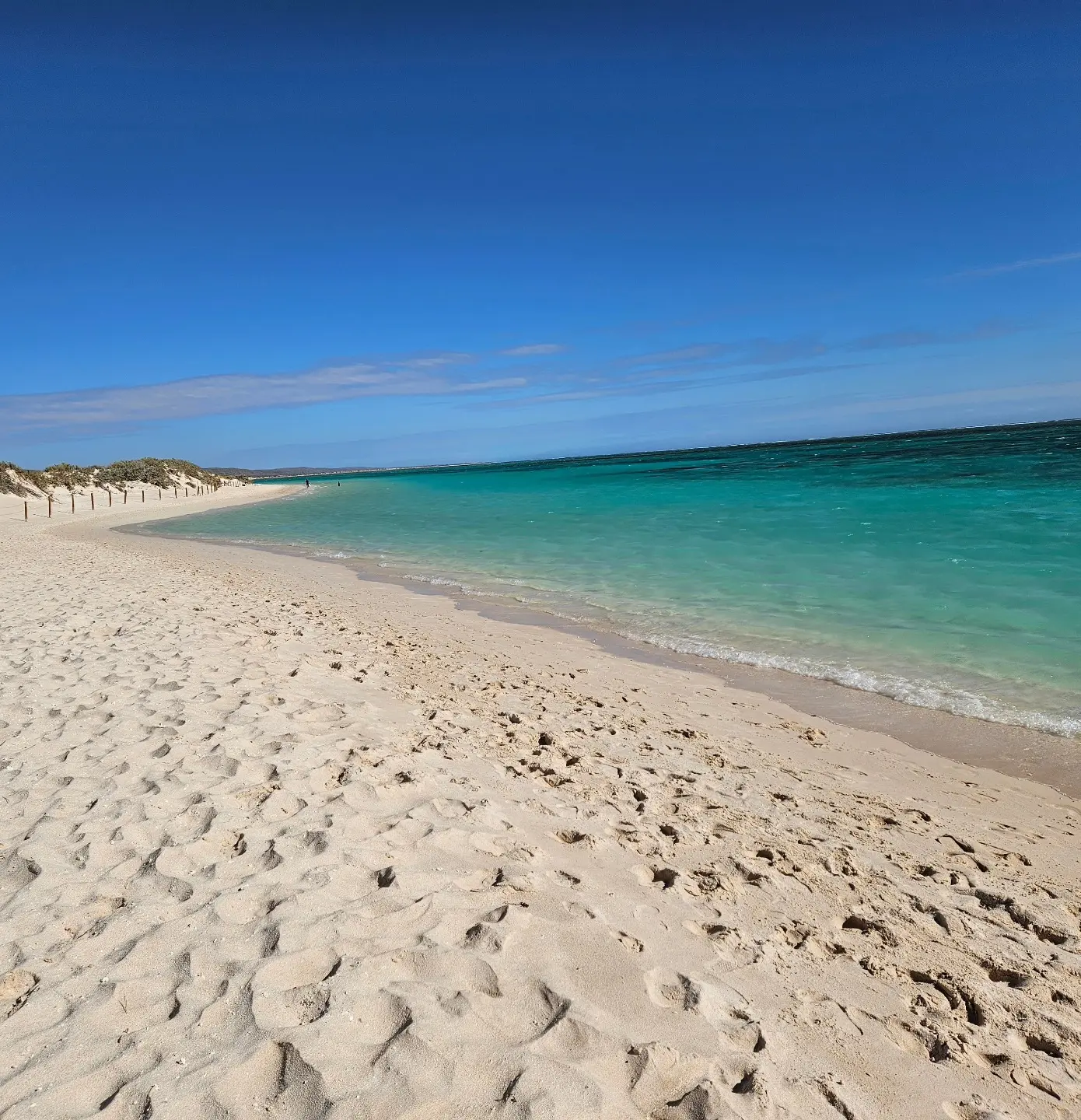
This is where most people come unstuck. The booking system isn’t complicated — but it is unforgiving if you’re slow.
Campgrounds around Cape Range National Park, including areas near Yardie Creek, Turquoise Bay, and Oyster Stacks, are all booked through Park Stay WA.
What Happens When Bookings Open

- You enter a booking queue
- You select your dates and campground
- You move straight to the payment stage
- You confirm using your credit card details
That’s it. No holding sites. No “save for later”. No second chances.
Booking Windows At A Glance
| Location | Booking Timing | Key Detail |
| Cape Range National Park | ~180 days ahead | Highest demand |
| Central reef access areas | Same window | Book out fastest |
| Station stays (Warroora Station, Ningaloo Station) | Flexible | Easier to secure |
If you hesitate during the booking queue, you’ll lose your spot. Simple as that.
What Booking Day Actually Feels Like
Let me paint it straight.
You’re logged in early. Everything looks calm. You think, “This should be fine.”
Then the system opens.
Suddenly, you’re in a booking queue with half the country trying to grab the same handful of sites. By the time you click through, options start disappearing.
I’ve had mates miss out while typing in their credit card details. That’s how tight the timing is.
What Actually Helps You Get A Site
- Log in before release time (don’t risk being late)
- Know exactly which campground you want
- Have backup locations ready
- Move quickly through the payment stage
- Don’t second-guess your selection
It’s not the moment to compare campsites. It’s the moment to commit.
Choosing Where To Stay Along The Coast
Not all campgrounds give you the same experience. Some put you right on top of the reef. Others require a bit of driving.
High-Demand Areas Inside The Park
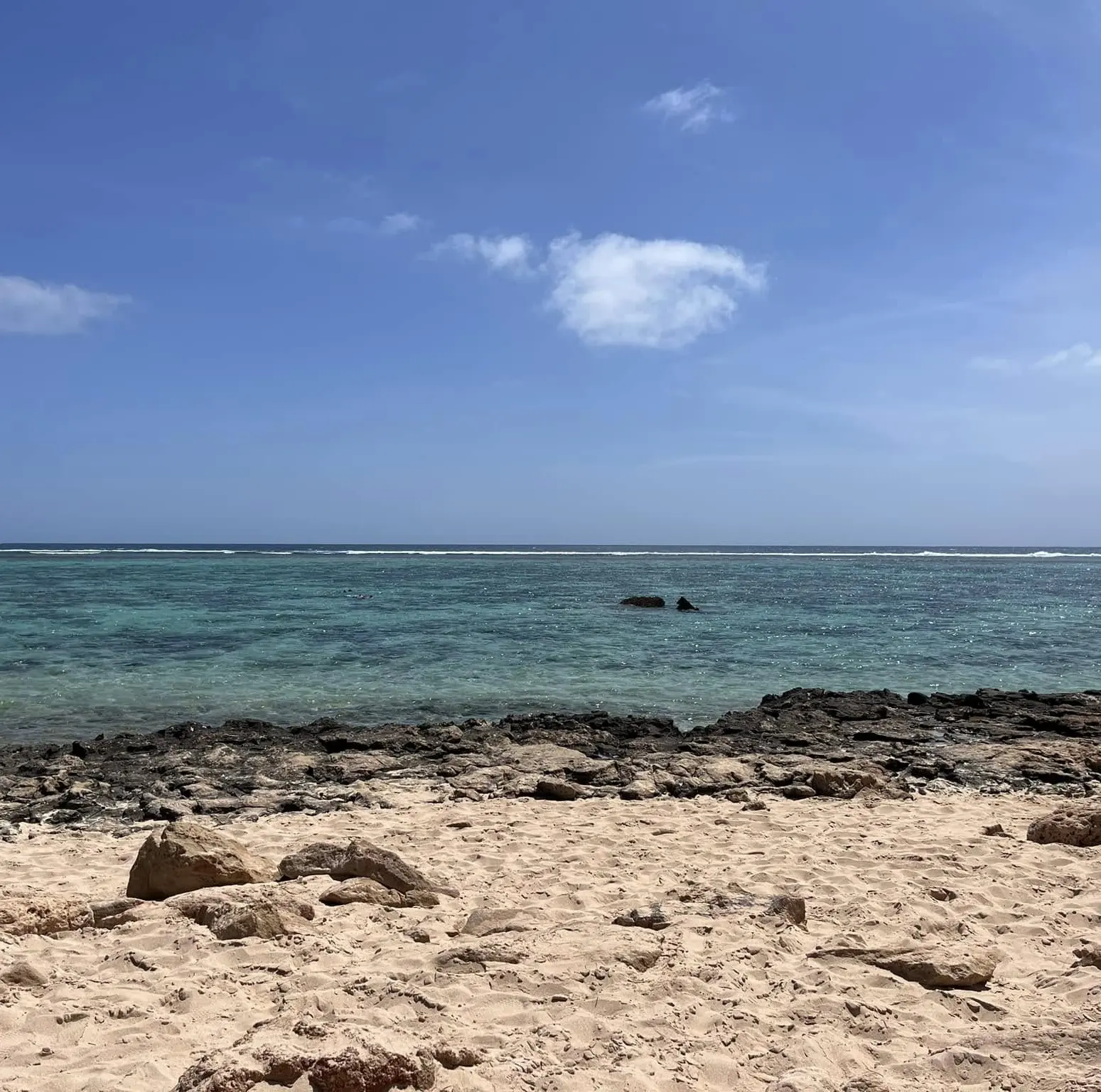
- Turquoise Bay — famous drift snorkel, always packed
- Oyster Stacks — incredible marine life, strict tide access
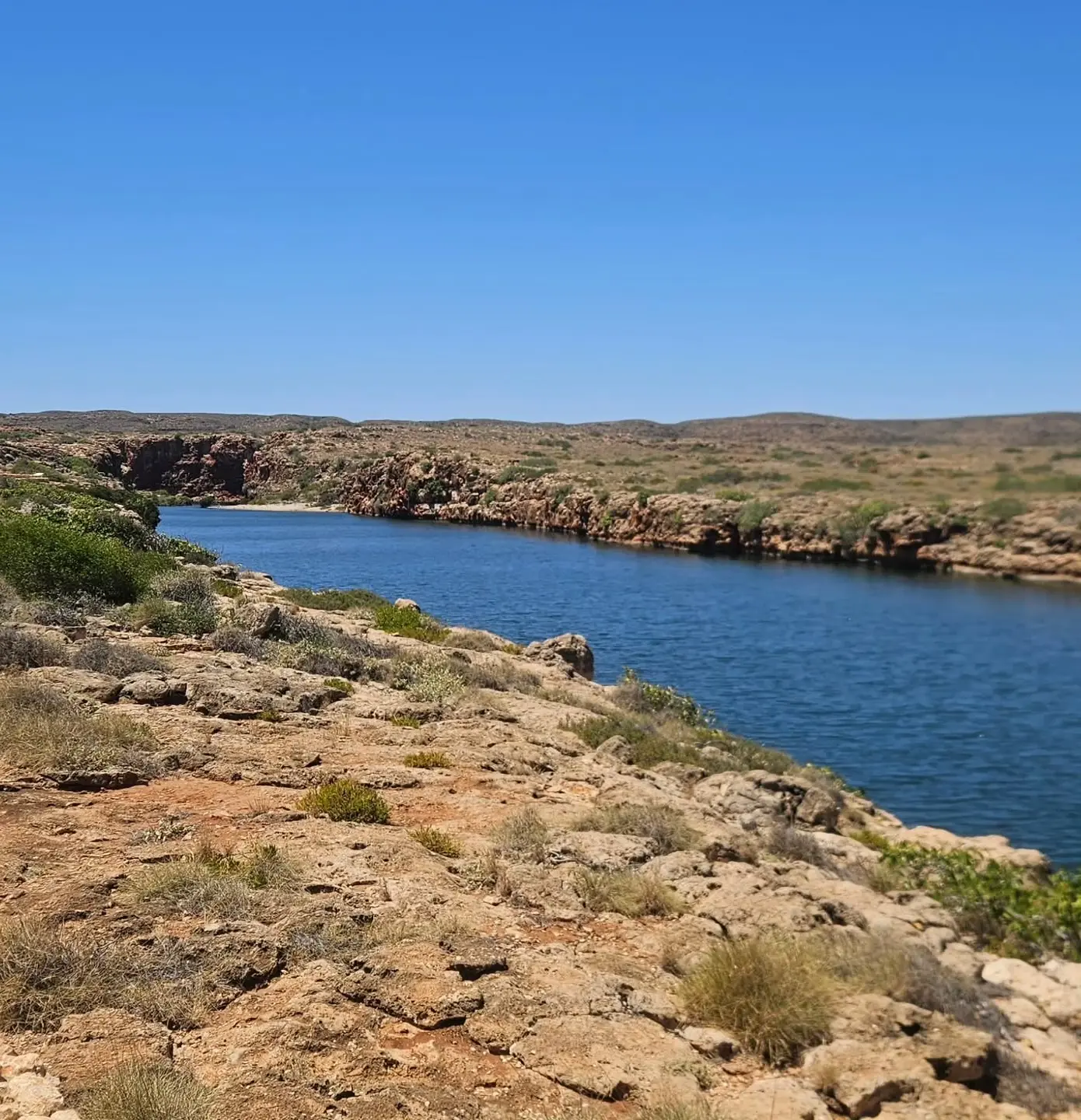
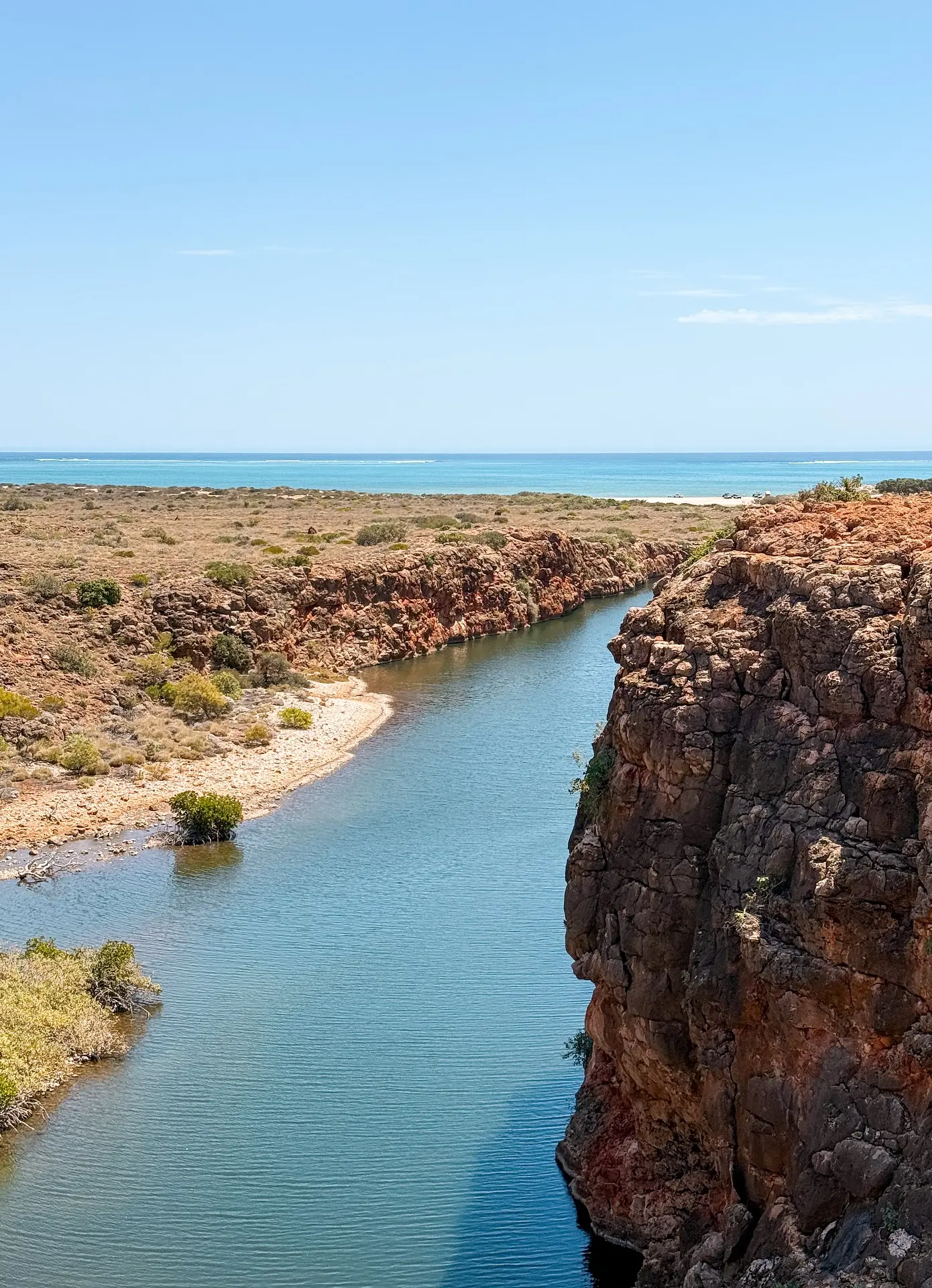
- Yardie Creek — quieter, great for kayaking
- Mesa Campground — central and practical
Strong Alternatives That Still Deliver

- Janes Bay — more remote, less pressure
- Point Billie — basic but well-positioned
- South Lefroy — solid option when others are full
Outside the park, you’ve got:
- Warroora Station — easier bookings, good facilities
- Ningaloo Station — flexible and less crowded
I often tell travellers: don’t fixate on one site. Flexibility opens up the whole coastline.
Weather & Crowd Timing Guide
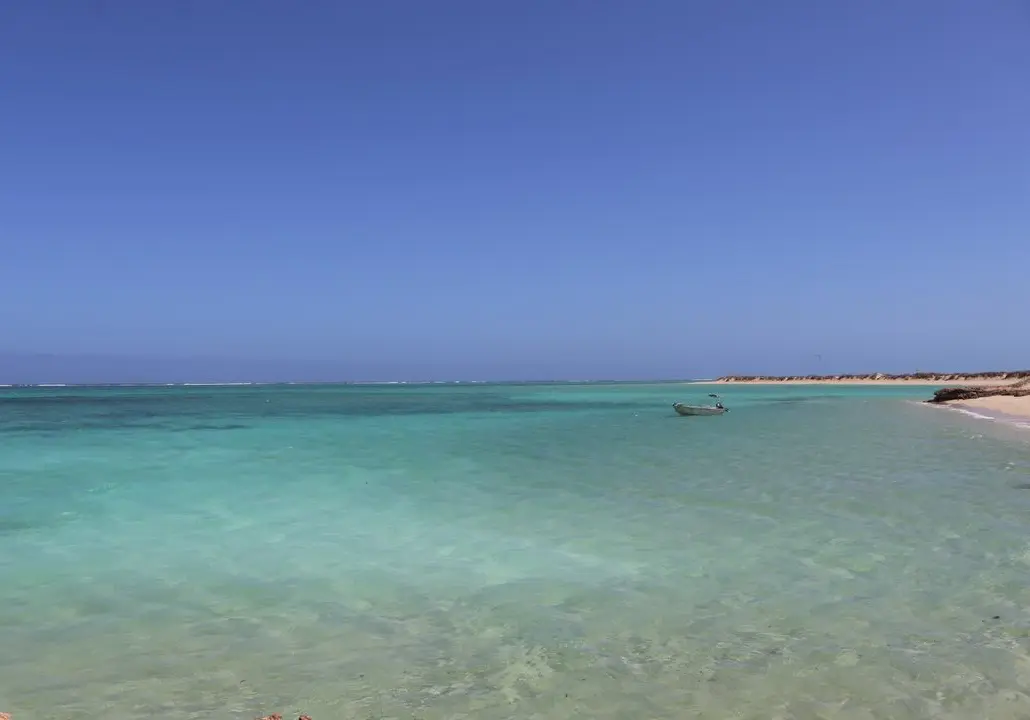
You’ll hear people say “just go in the dry season” — and yeah, it’s great. But it’s also when the place is busiest.
Seasonal Breakdown
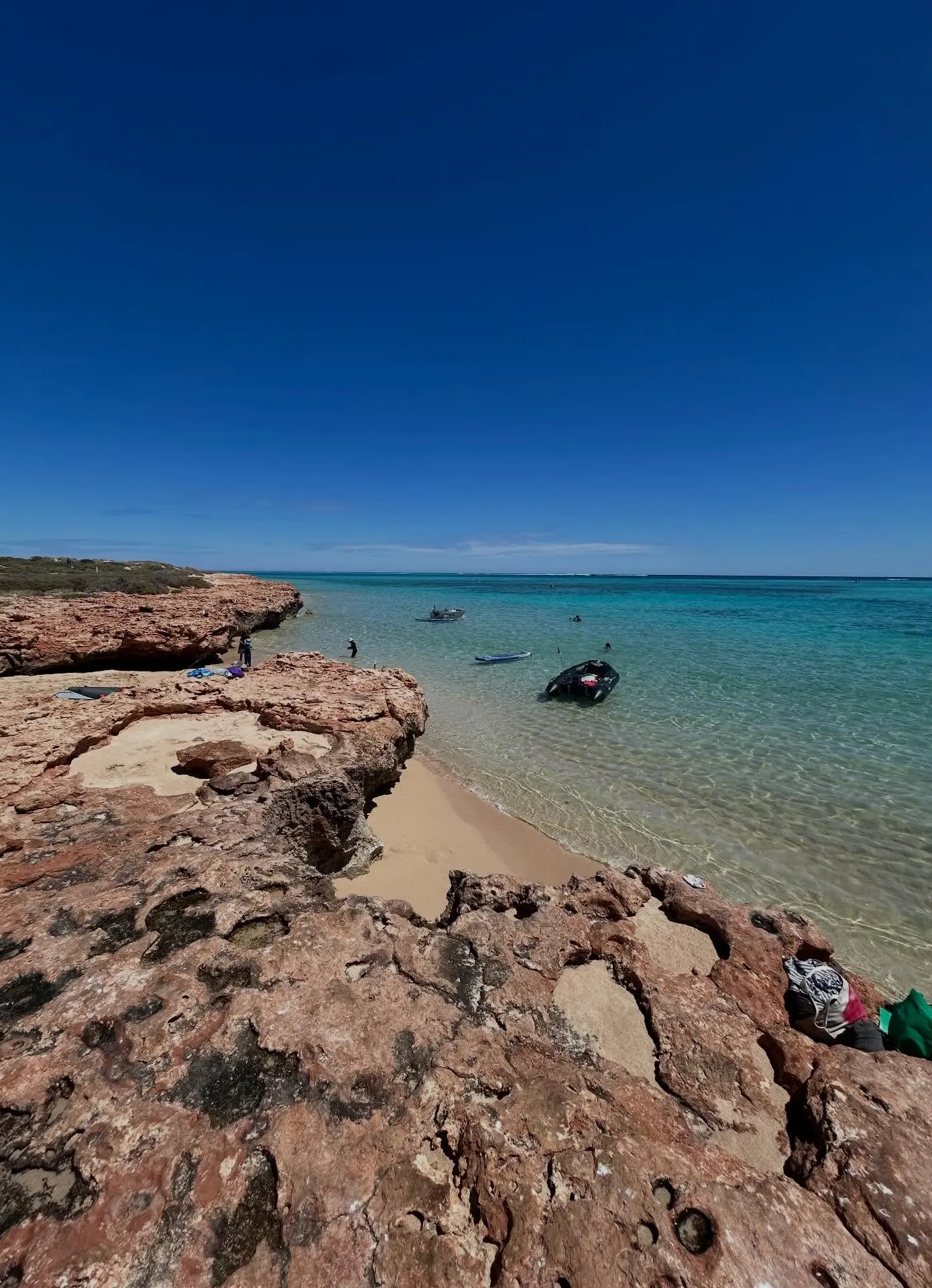
Dry Season (May–September)
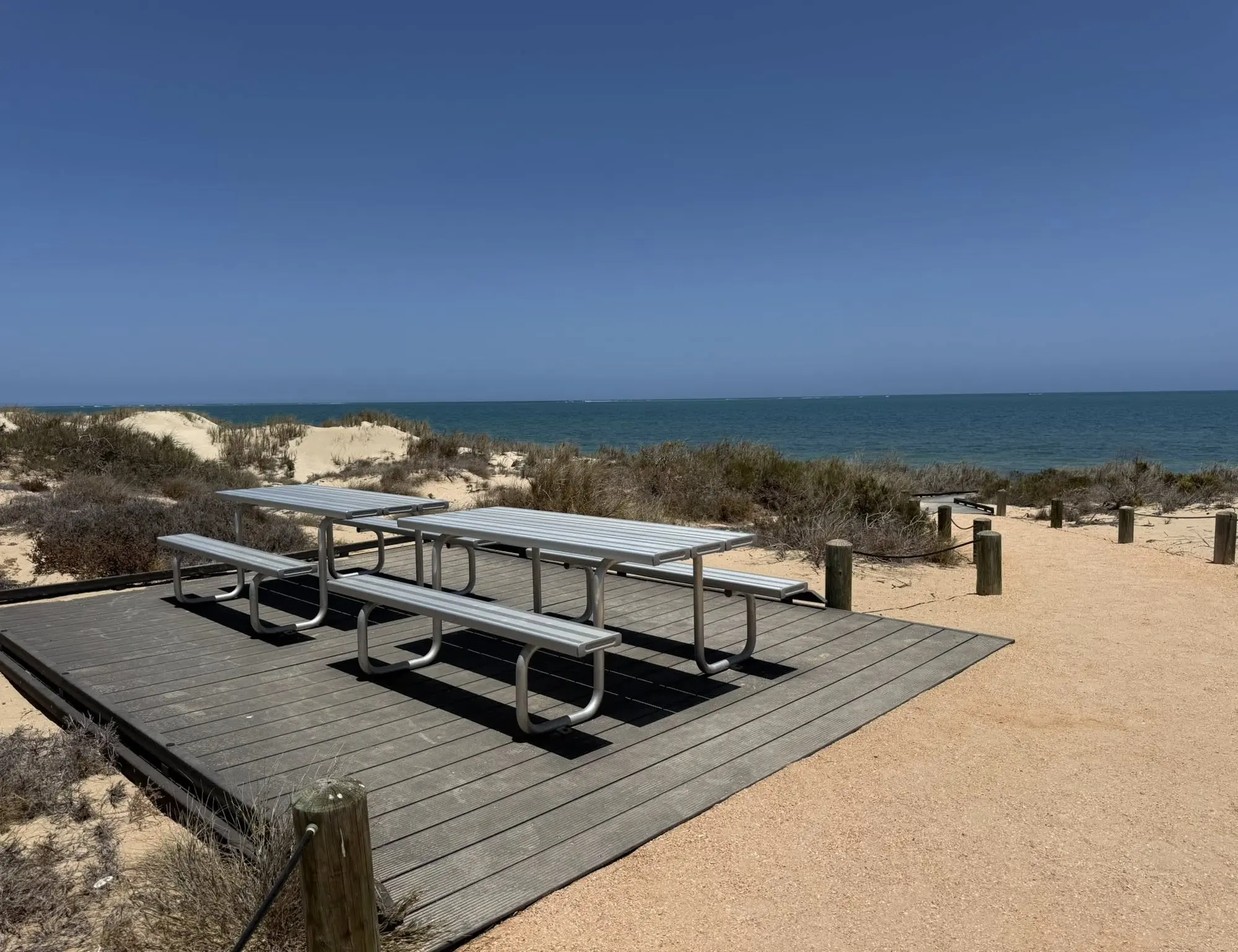
- Best conditions
- Clear water for snorkelling
- Heavy booking demand
Shoulder Season (March–April / October)
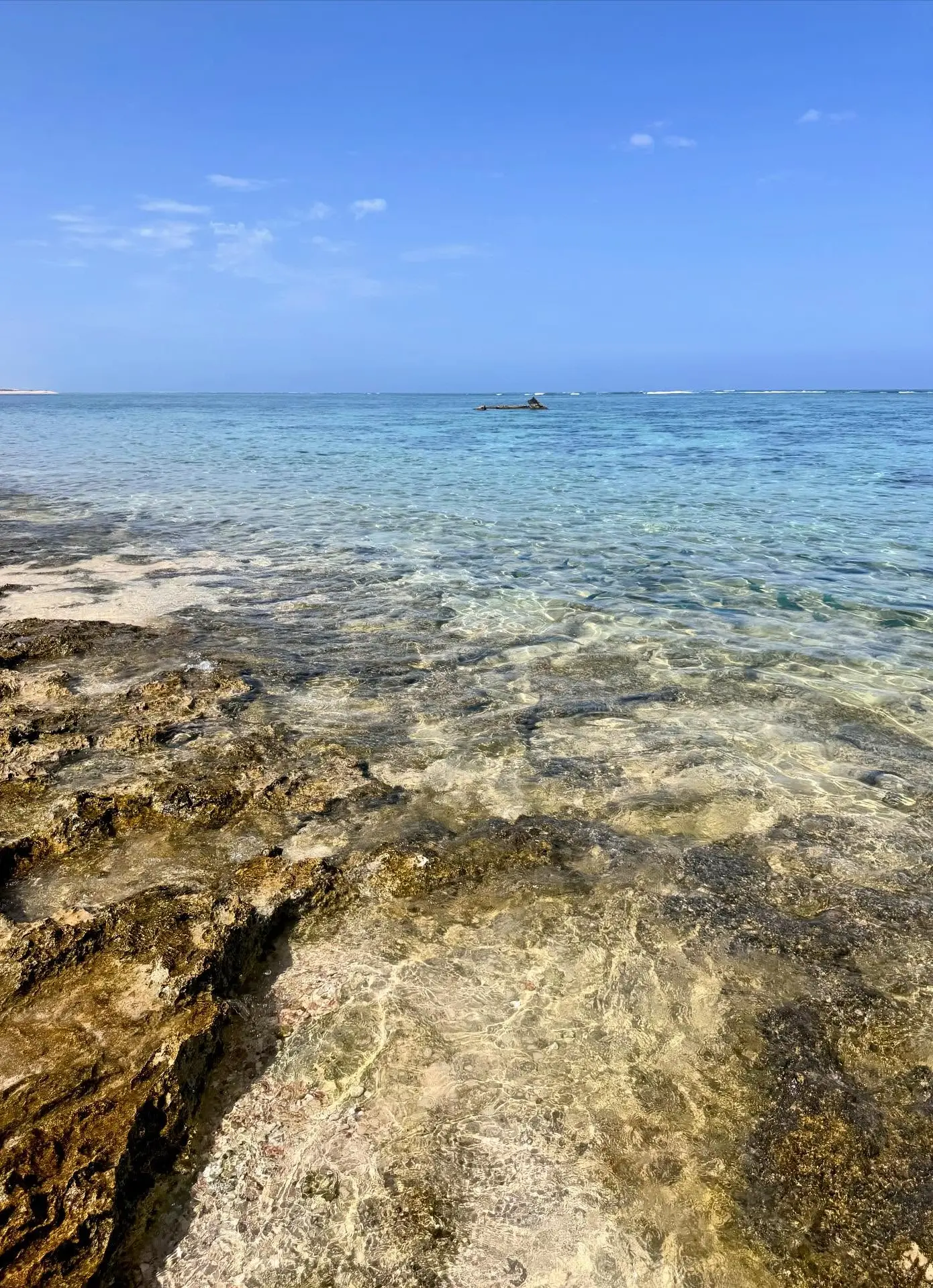
- Warmer temperatures
- Fewer crowds
- Easier booking availability
Wet Season (November–February)
- Cyclone risk
- Extreme heat
- Some access restrictions
If your travel habits allow it, shoulder season can be the sweet spot — less pressure, still a cracking experience.
Fuel, Distance & Remote Travel
This is the bit that catches people out — especially if you’re new to long-distance driving in WA.
Fuel consumption can jump quickly depending on your setup and conditions.
What Affects Your Fuel Use
| Factor | Impact |
| 4WD setups | Heavier load = higher fuel consumption |
| Sand driving | Increased usage |
| Distance between service towns | Limited refuelling points |
| Fuel pricing | Higher than metro WA |
Towns like Exmouth and Coral Bay are your main refuelling stops. Once you’re inside the park or heading to remote spots like South Lefroy or Point Billie, your options will dwindle quickly.
I’ve had travellers compare this to planning a great day trip along the Great Ocean Road from Melbourne – and I have to chuckle at the comparison. Thing is, this isn’t a cruise along the coast with cafes every 20kms or so. Out here, you need to plan ahead, or you’re not going anywhere.
What You Need To Bring (And Why It Matters Big Time)
Ningaloo is one of those places where you can’t just pop down to the shops to grab something you forgot.
Essentials That You Shouldn’t Leave Behind
- Water – at least 5 to 7 litres a day per person, you don’t want to run out
- Some kind of shade – this is a must-have
- Food for the whole time you’re there – no room service to turn to
- If you’re running a 4WD, some recovery gear just in case
- A few rubbish bags so you can keep the place tidy
- A navigation system that doesn’t rely on a phone signal
No phone reception, no corner store to sort you out, and no backup plan unless you’re prepared.
Real Conditions On The Ground
Let’s not pretend it’s all pretty and Instagram-perfect here.
- The tracks can get pretty rough after the busy season
- The afternoons can bring in some pretty strong winds
- The campgrounds are basic, so think of bush camping rather than luxury resorts
- Flies and mozzies are just part of the deal – you can’t avoid ’em
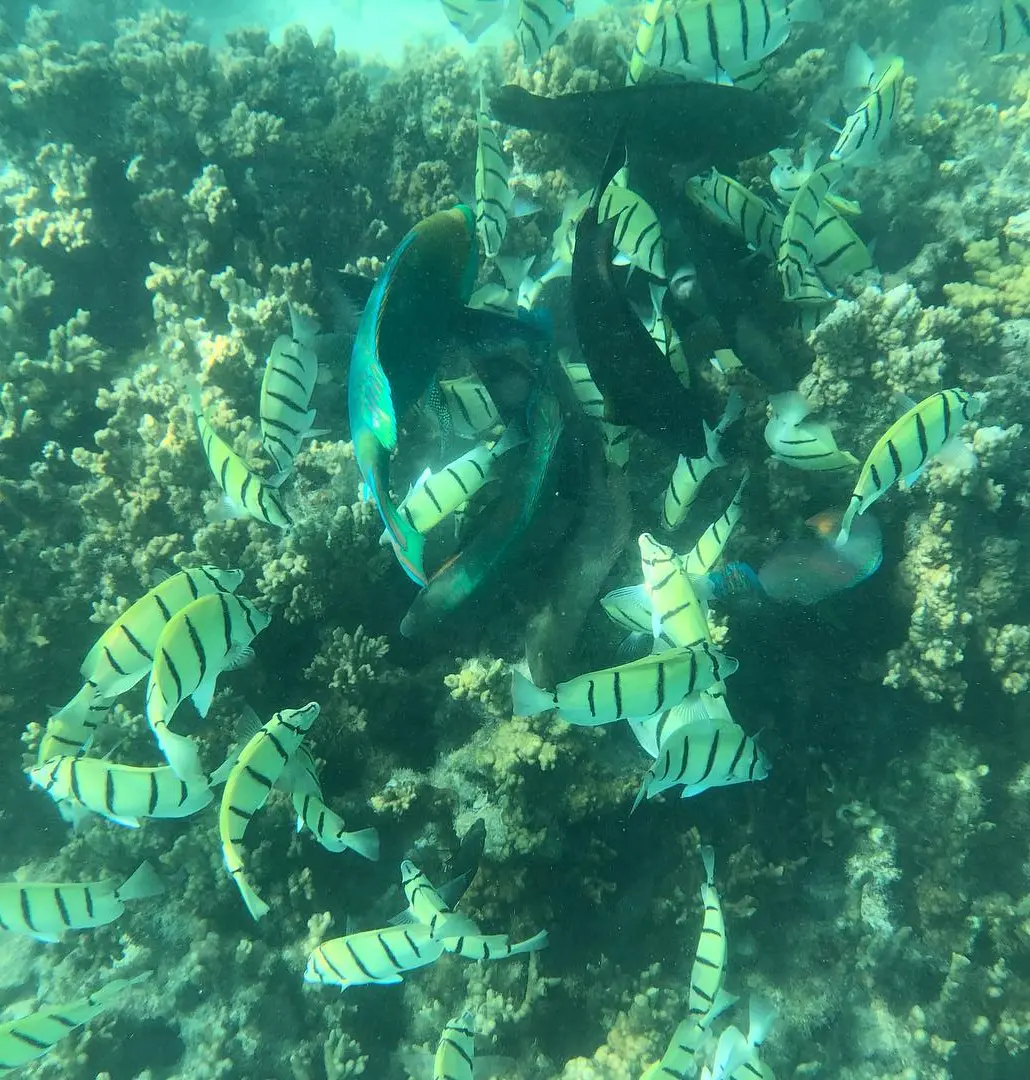
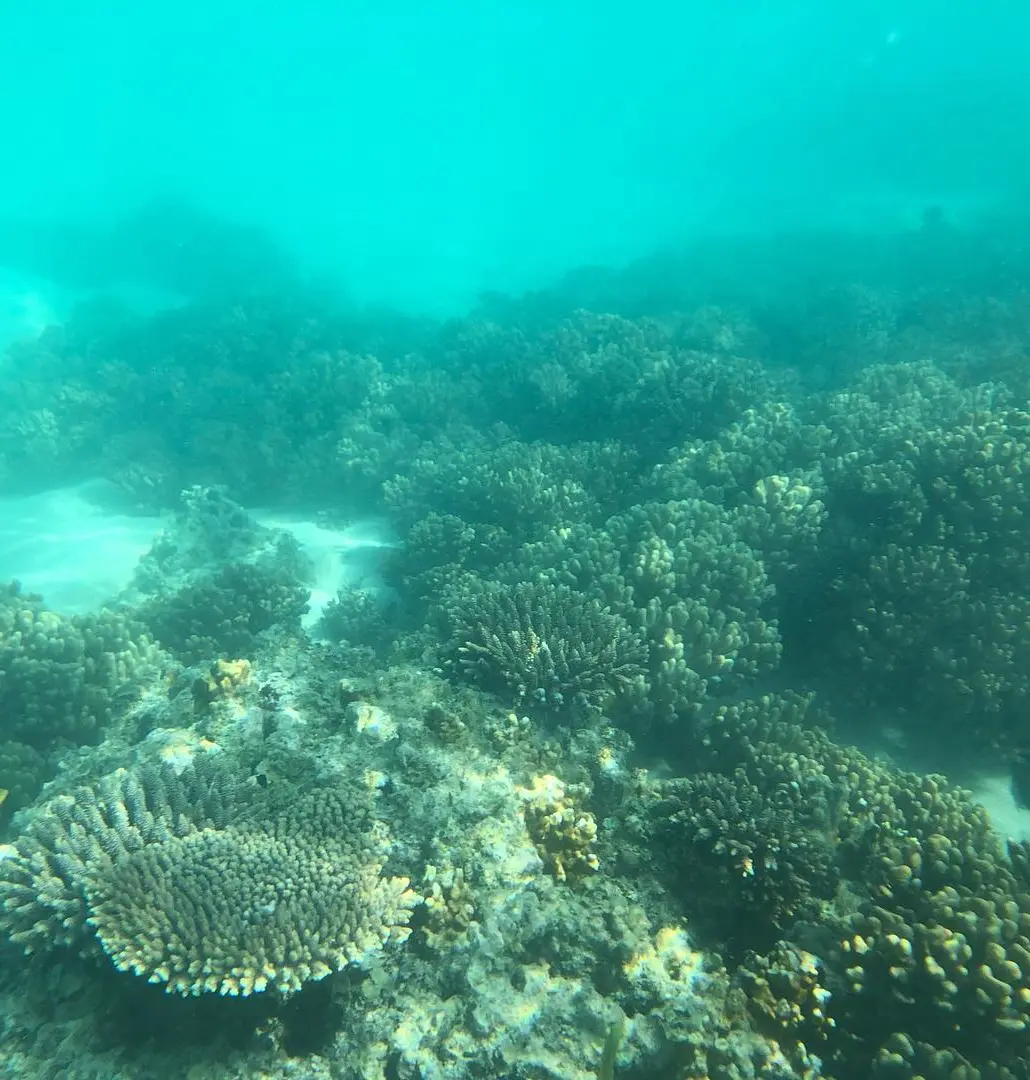
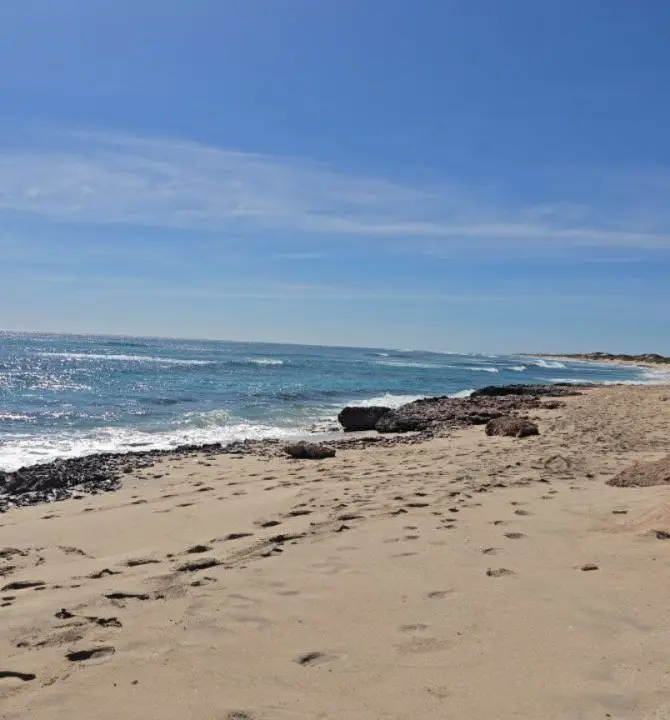
But that’s also what makes this place special. You get to pitch your tent right on the sand and literally step off the beach and straight into some world-class snorkelling in Ningaloo Reef – one of the few places on earth where you can do that.
A Quick Note On The Wild Stuff And Local Operators
If you are planning to get out on the water and do some snorkelling, a lot of the experience comes down to the operators you choose. Some, like Wildlife Tours, offer guided trips that can take a lot of the hassle out of things – especially if you’re not super familiar with the area.
If you’re travelling with family or less confident swimmers, having a guide who knows what they’re doing can make all the difference.
Why Early Planning Makes All the Difference
After running trips across Australia for years, I can tell you that the people who get the most out of Ningaloo are those who do some advance planning.
They’re not scrambling around for the next site to visit, they’re not worrying about whether they’ve got enough fuel, they’re not sitting there compulsively refreshing the booking system while everyone else has already set up camp by the water.
Now, that’s exactly what people-first travel content is all about – giving you the lowdown upfront so you can make some informed decisions and actually have a chance to enjoy the trip
And trust me – when you’re sitting there watching the sun go down over the reef, you’ll be kicking yourself for not getting in early.
Final Word – Lock It In Early Or Be Flexible
The takeaway here is:
- Bookings for 2026 travel dates typically open mid to late 2025, roughly 180 days in advance.
If you want to camp in prime spots near Turquoise Bay, Oyster Stacks, or Yardie Creek, then:
- You need to get ready before the booking queue opens
- Move fast when you get your chance
- Complete the payment stage as soon as you can
If you miss out on those top spots:
- Have a look at Warroora Station or Ningaloo Station
- Consider staying at South Lefroy, Janes Bay or Point Billie instead
- Just shift your dates outside peak time if you can’t make it work
There’s always a way to make it happen – you just need to tweak your plan a bit.
Planning a Coral Coast Trip?
If you’re heading up through Western Australia and want something a bit more reliable than guesswork, I’m always happy to share what’s worked for me.
And if you’re still thinking of Ningaloo as some kind of Great Ocean Road day trip from Melbourne with Wildlife tours– let me tell you, Ningaloo takes a bit more effort… but the payoff is way, way better.
FAQ
How Long Should I plan for a 2026 trip along this coast?
You should start getting your plans in order at least 6–9 months in advance. Booking windows usually open roughly 180 days before your travel date.
Do I need to be available at a specific time to secure a campsite?
Yes – you’ll want to be logged into Park Stay WA before release time, so you don’t end up missing out.
Are places like Turquoise Bay and Oyster Stacks really that hard to get into?
Yes – these areas are among the most popular and book out ridiculously fast during peak travel periods
Is it easier if I stay outside Cape Range National Park?
Yes – generally, that’s the case. Places like Warroora Station and Ningaloo Station offer a bit more flexibility.
Can I still enjoy Ningaloo Reef if I don’t get one of the prime campsites?
Absolutely – reef access isn’t limited to just a few spots along the coast, and with the right planning, you’ll still have an amazing experience.