The moment someone asks me, “Should you look for a microblading course that offers 6+ months of post-course support or just a one-off workshop?”, I know they’re on the verge of leaping into a real career in the beauty industry. Whether you’re looking to master those perfect microblading strokes, dabble in shading styles like powder brows, or combine the two for combination brows, the structure of your training will make all the difference to your long-term success. Here at Cosmetic Tattoo Melbourne, I see students every week who are only just realising how much a steady hand of guidance means when they’re tattooing on real skin.
And if you’re wondering whether a microblading course with Face Figurati gives you the support you’re looking for – the short answer is a straight-up yes, it absolutely does.
Contents
- 1 Why Long-Term Guidance Shapes Stronger Brow Artists
- 2 What Short Workshops Offer — And What They Miss
- 3 A Melbourne Case Study From The Treatment Room
- 4 What Proper Mentoring Should Actually Look Like
- 5 Workshop vs Mentorship: A Practical Comparison
- 6 Why Melbourne Artists Benefit From Structured Support
- 7 How Skin Behaviour Influences Technique Choices
- 8 Why The Middle Months Are The Toughest For Beginners
- 9 Why Mentored Artists Stay Longer In The Industry
- 10 FAQ
- 10.1 Does extended support help me master microblading strokes and density?
- 10.2 Will having a mentor help me figure out which techniques to use on which skin type?
- 10.3 Is long-term support a good idea for those who are switching to the beauty industry?
- 10.4 Does having a mentor help you understand colour theory?
- 10.5 Does extended training really help you nail down good customer service?
Why Long-Term Guidance Shapes Stronger Brow Artists
When a new artist starts microblading training, they often have no idea that the real learning only begins after being handed over. Your early models aren’t going to come in with perfect, symmetrical brows, you know. They’ll come in with compromised skin health, various skin types, scars or asymmetry that can’t just be learned from a one-off demo.
Having an ongoing mentor to fall back on gives you the support you need to adjust your stroke density, refine your shape design and apply colour theory to different skin types. And for artists looking to make a full industry switch, extended support serves as a bit of a safety net – not just for the technique itself, but also for building client confidence.
I tell my students all the time that taking a microblading course with Face Figurati gives them the structure and reassurance that most beginners just don’t get elsewhere.
What Short Workshops Offer — And What They Miss
Short workshops will give you a rundown on blade control, a bit about pigment, brow mapping, maybe a quick overview of colour theory – they’re great if you’re already a tattoo artist or just looking to add some brow work to your existing menu. But they’re missing out on some pretty crucial stuff.
- They won’t give you feedback tailored to real clients you’ll be working with.
- They won’t give you much guidance across different skin types.
- They won’t help with reinforcement of pressure depth and stroke placement.
- They won’t help you diagnose problems with healed results.
- They won’t give you any help with designing natural brow shapes.
- And they won’t give you any strategies for client communication and customer service.
If you’re serious about making a real career change, a workshop alone is just not going to cut it.
A Melbourne Case Study From The Treatment Room
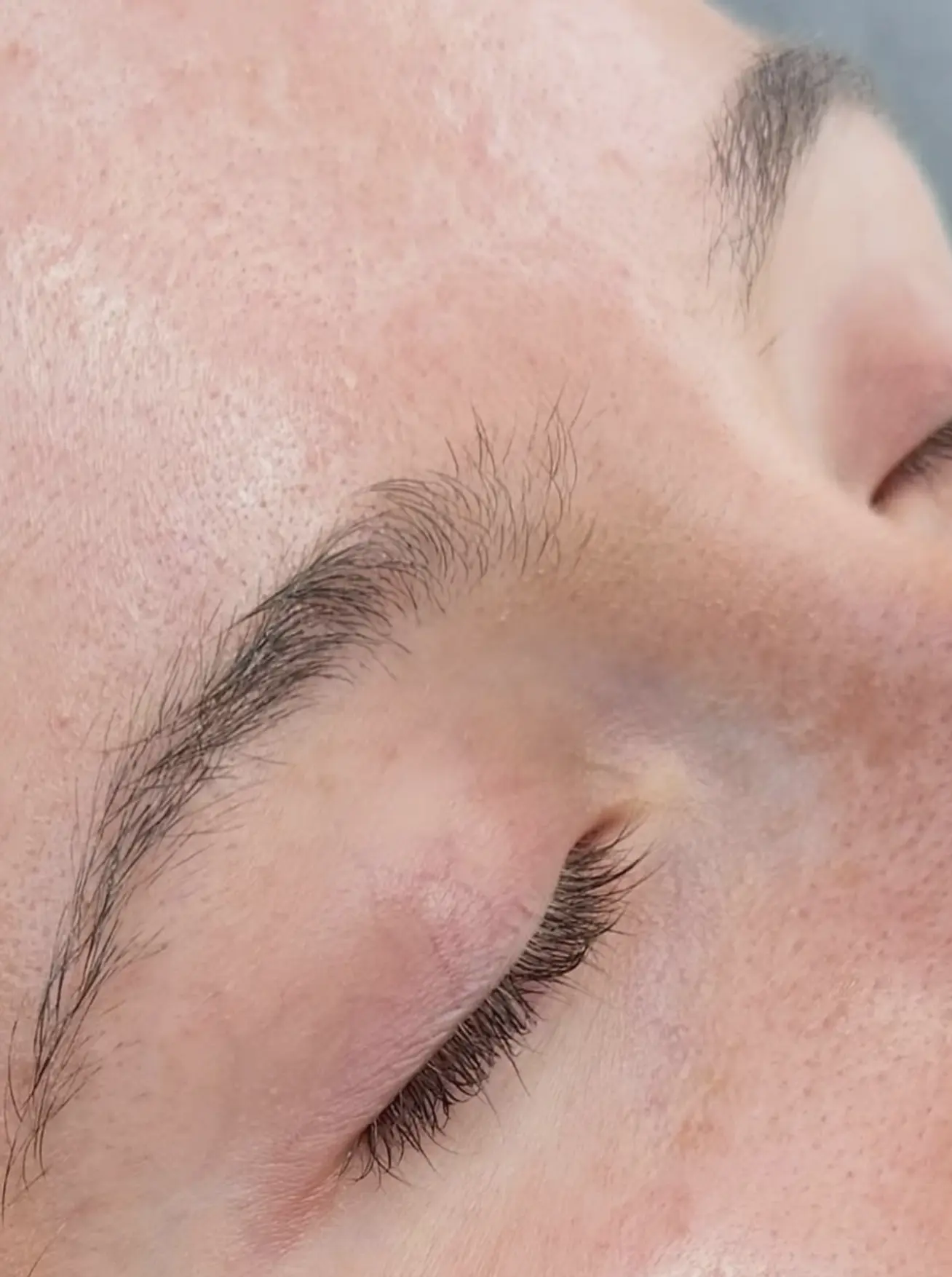
One of my Melbourne students came in looking really worried because her model just didn’t look right – patchy, warm, and to be honest, it was a bit of a mess. The client had oily skin; it was summer, and the humidity had really flared her skin up, to say the least. And to top it all off, she had picked a stroke density that just didn’t suit her skin texture. Without some guidance, though, you have to rely on a bit of guesswork, which in cosmetic tattooing is not a safe thing to do.
Through mentoring, we took a close look at her colour fine-tune theory and the overall shape of her brow. And at the end of it all, she walked out with a clear understanding of what she needed to do to fix the issue and felt a lot more confident about tackling the bumps in the road.
And to be honest, this is exactly what sets our students at Cosmetic Tattoo Melbourne apart from the rest – support when it really counts, in real life, when a workshop would just leave you on your own to figure things out.
What Proper Mentoring Should Actually Look Like
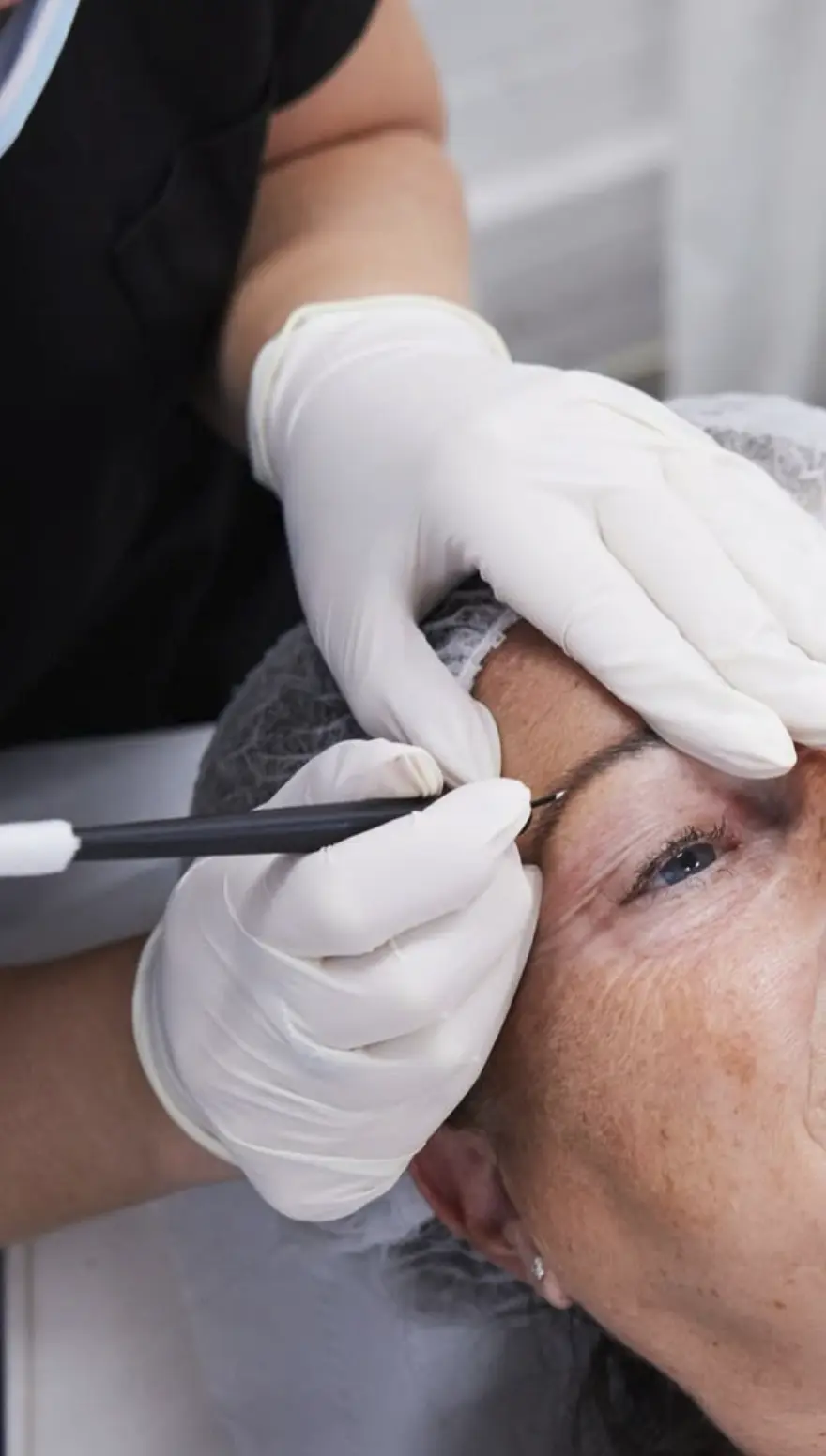
Not all support programs are created equal, and some academies will tell you that a Facebook group is all the support you need. But proper support feels like having someone standing right there beside you, guiding you through every early procedure.
A quality long-term support program should cover things like:
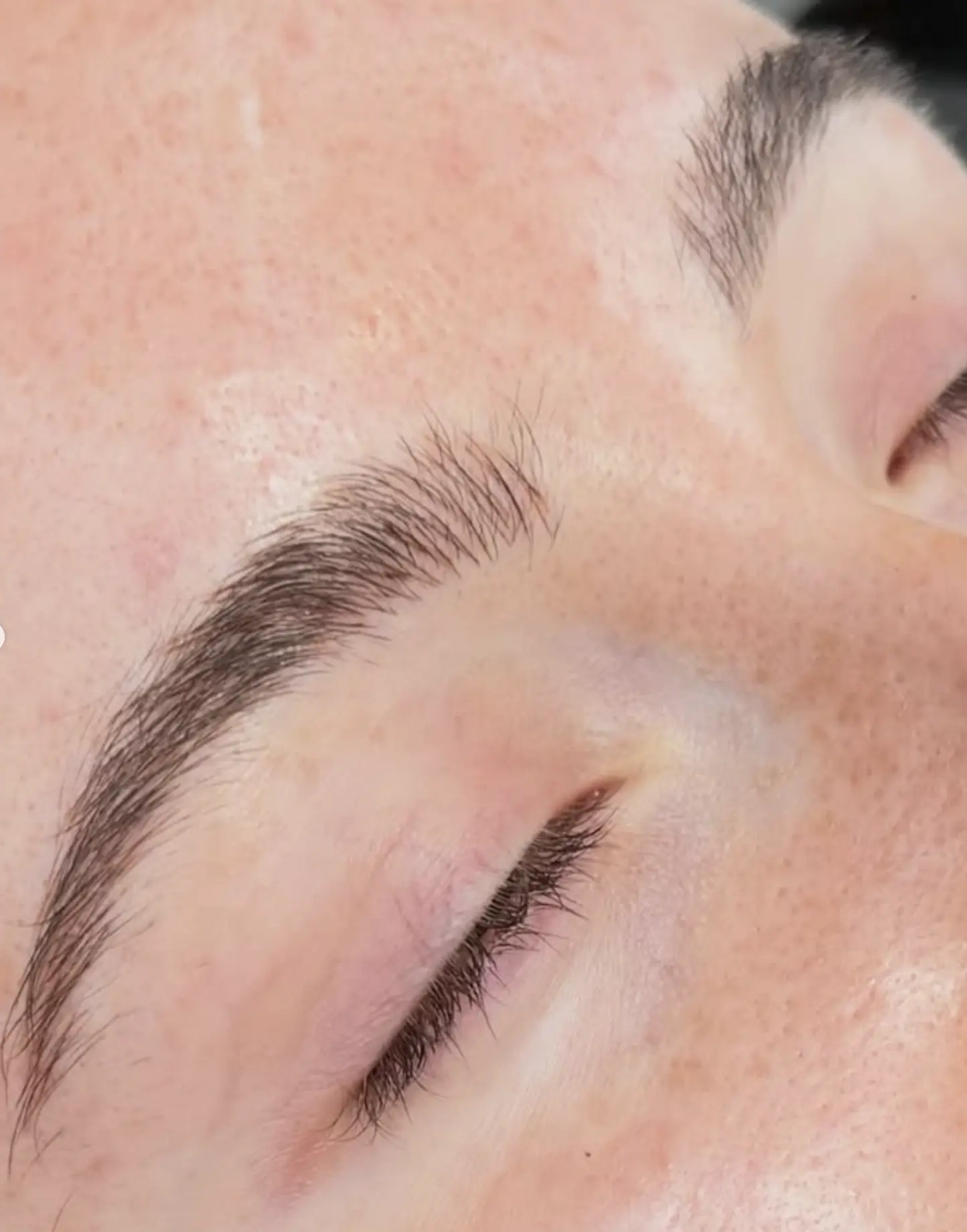
- Fine-tune your microblading strokes so they’re exactly right.
- Knowing when to switch from doing strokes to powder brows or combination brows.
- Guidance on different skin types and skin health issues like oily skin or eczema.
- Ensuring your brow shape and stroke density are balanced.
- Teaching practical colour theory in real client scenarios.
- Handling early client challenges and awkward service situations.
- Understanding compliance, hygiene and local standards.
It’s for all these reasons that lots of new artists choose a microblading course with Face Figurati – because they want real mentorship, not just information.
Workshop vs Mentorship: A Practical Comparison
| Training Feature | One-Off Workshop | 6+ Months Post-Course Support |
| Skill Development | Basic introduction | Deep, consistent growth |
| Stroke Accuracy | Taught once | Reviewed until mastered |
| Skin Considerations | Surface-level | Real guidance across all skin types |
| Colour Theory | Quick overview | Applied color theory for real clients |
| Shape Design | One formula | Fully customised brow shape design |
| Pressure & Depth | Hard to master alone | Guided correction with mentor feedback |
| Career Progress | Slow, self-directed | Supported career transition into PMU |
Why Melbourne Artists Benefit From Structured Support
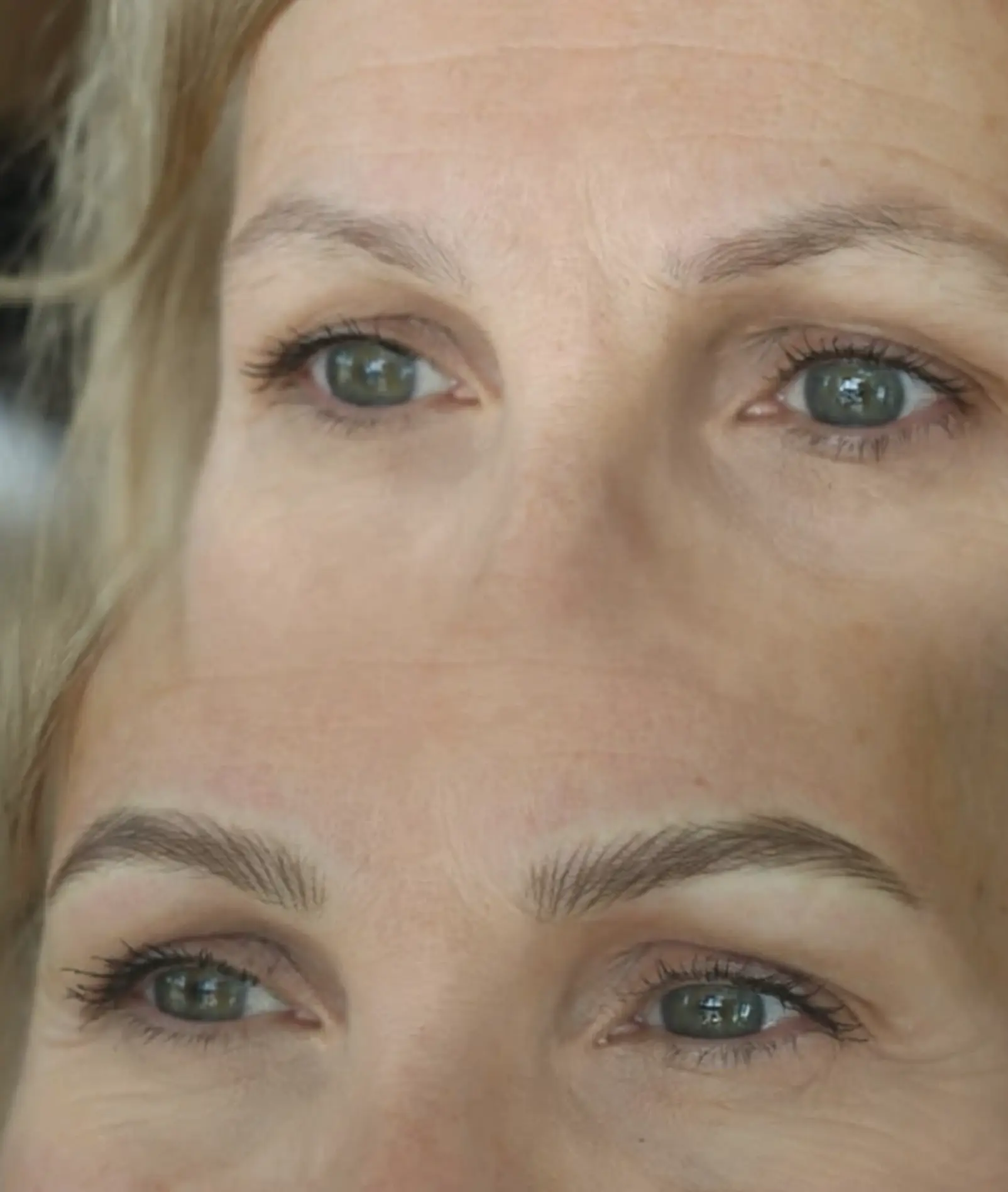
Melbourne clients don’t want brows that look like they’ve been done with a stencil – they want you to actually know what you’re doing. They want you to be able to tell whether microblading is a better fit for their skin type and whether powder brows are a better fit for them. They want you to understand how a different brow shape will change the whole look of their face.
You can’t just coast your way to long-term success – you need to be actually good at your job. That means:
- Understanding undertones with solid colour theory
- Choosing the right technique for each skin type
- Designing a custom brow shape
- Delivering excellent customer service
- Building a consistent workflow
Getting extra support helps you build these skills without relying on trial and error.
How Skin Behaviour Influences Technique Choices
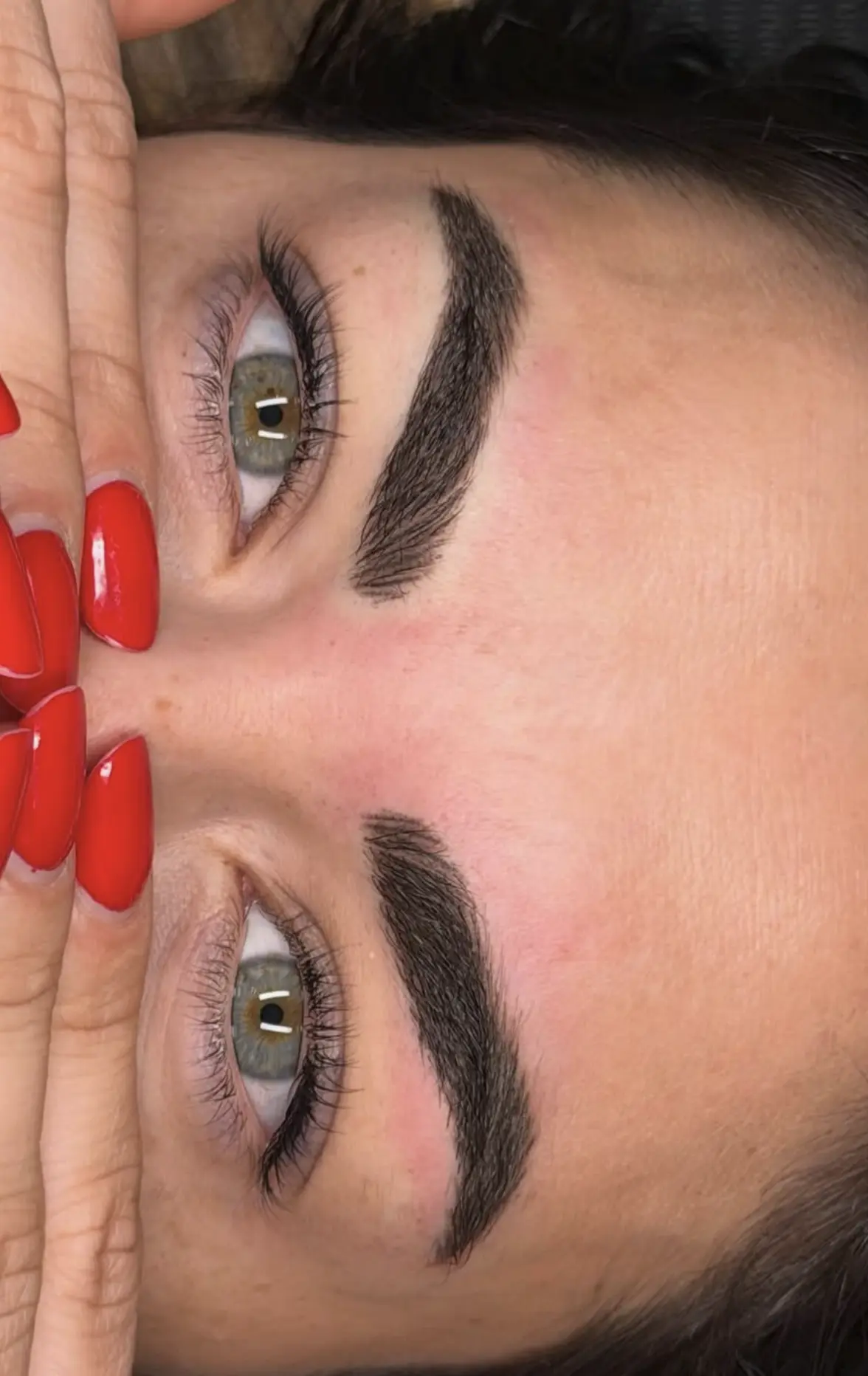
The thing that really trips up beginners isn’t necessarily blade control – it’s skin type and skin health that affect the finished result.
At Cosmetic Tattoo Melbourne, I see the same thing over and over. Oily skin tends to soften strokes, while dry skin flakes unpredictably. Sensitive skin can react more strongly, affecting pigment. Mature skin needs a gentler approach. And sun-exposed skin—common in Melbourne summers—can impact retention.
With proper guidance, you can confidently choose between strokes, shading, or combination brows.
Why The Middle Months Are The Toughest For Beginners
Month four is notorious. You’ve done a few tattoos, posted on social media, and then a client shows up with a challenging skin type or requests a specific brow shape.
This is where having support versus guessing makes all the difference.
- Improved microblading stroke control
- Better stroke density placement
- Stronger client communication
- Smarter colour and technique adjustments
Without support, many artists stall or lose confidence.
Why Mentored Artists Stay Longer In The Industry
Studies of Aussie training providers show that students with ongoing support retain at a rate of over 70% in the beauty industry.
Those who rely only on workshops often drop out early due to overwhelm.
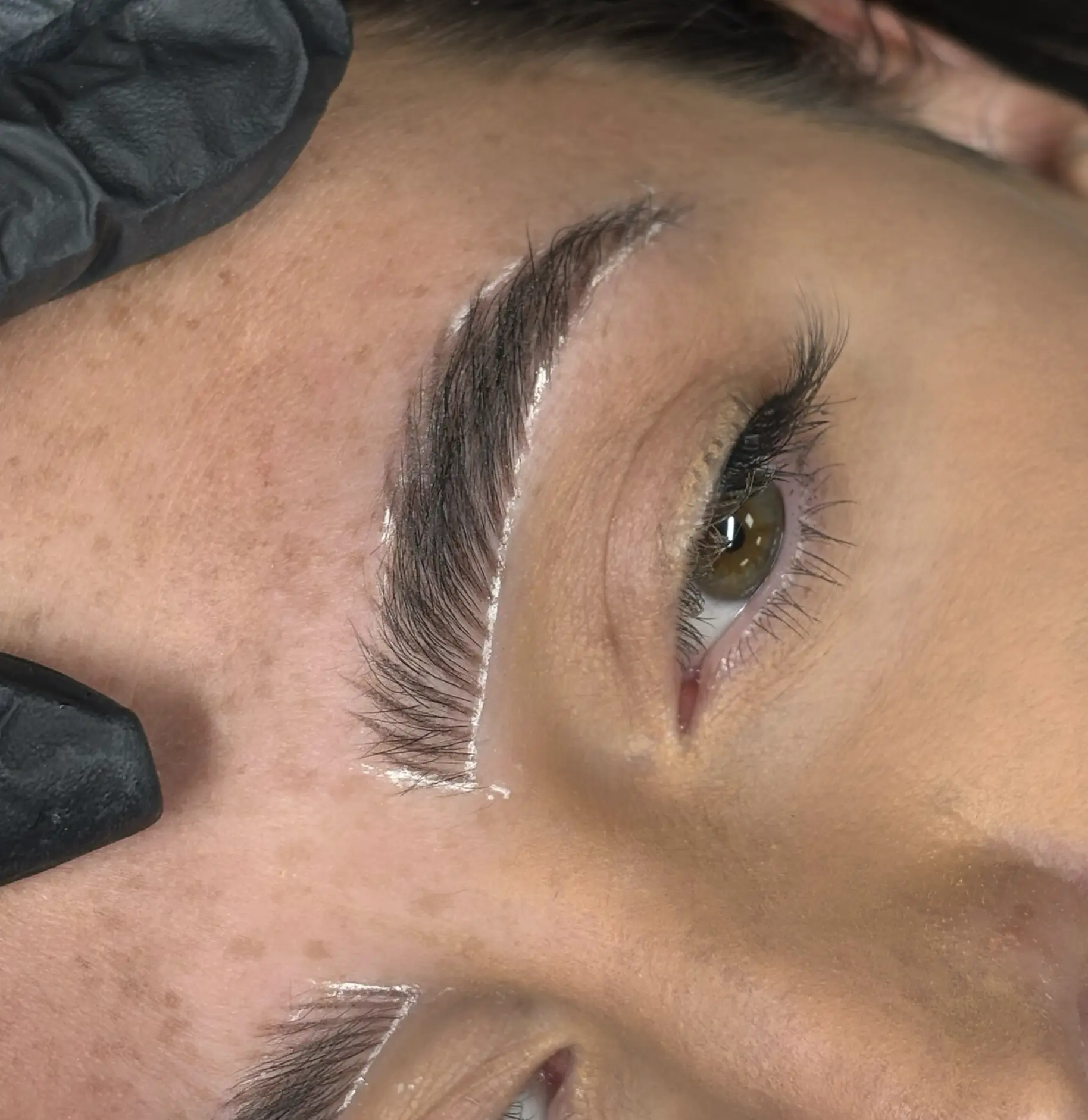
Support helps by:
- Building strong technical skills
- Applying colour theory in real situations
- Developing customer service confidence
- Handling all skin types effectively
- Maintaining confidence during challenges
That’s why so many artists turn to a microblading course from Face Figurati after a poor training experience.
FAQ
Does extended support help me master microblading strokes and density?
Yeah, it does – having someone to guide your stroke density and adapt techniques to different skin types makes a huge difference.
Will having a mentor help me figure out which techniques to use on which skin type?
Absolutely – understanding how each skin type responds makes selecting the right technique much easier.
Is long-term support a good idea for those who are switching to the beauty industry?
Definitely – structured guidance helps you transition smoothly into a new beauty career.
Does having a mentor help you understand colour theory?
No question – learning pigment selection and undertone management takes time and guidance.
Does extended training really help you nail down good customer service?
Yeah, it does – strong client communication, troubleshooting and care all improve much faster with proper support.