Ayers Rock, also known as Uluru, rises from the Australian desert like a giant red rock, its colour and size awe-inspiring. As one of the world’s largest monoliths, Uluru holds special meaning for the Aboriginal people, the traditional owners of this land. It’s not just a natural beauty but a piece of Australia’s cultural heritage, geological history and living culture. In this article we explore why Uluru is red, the landscape around it and the many reasons it attracts visitors from around the world. Uluru tours have become very popular, giving travellers a way to experience this amazing destination with expert guides and local knowledge.
Contents
Geological History
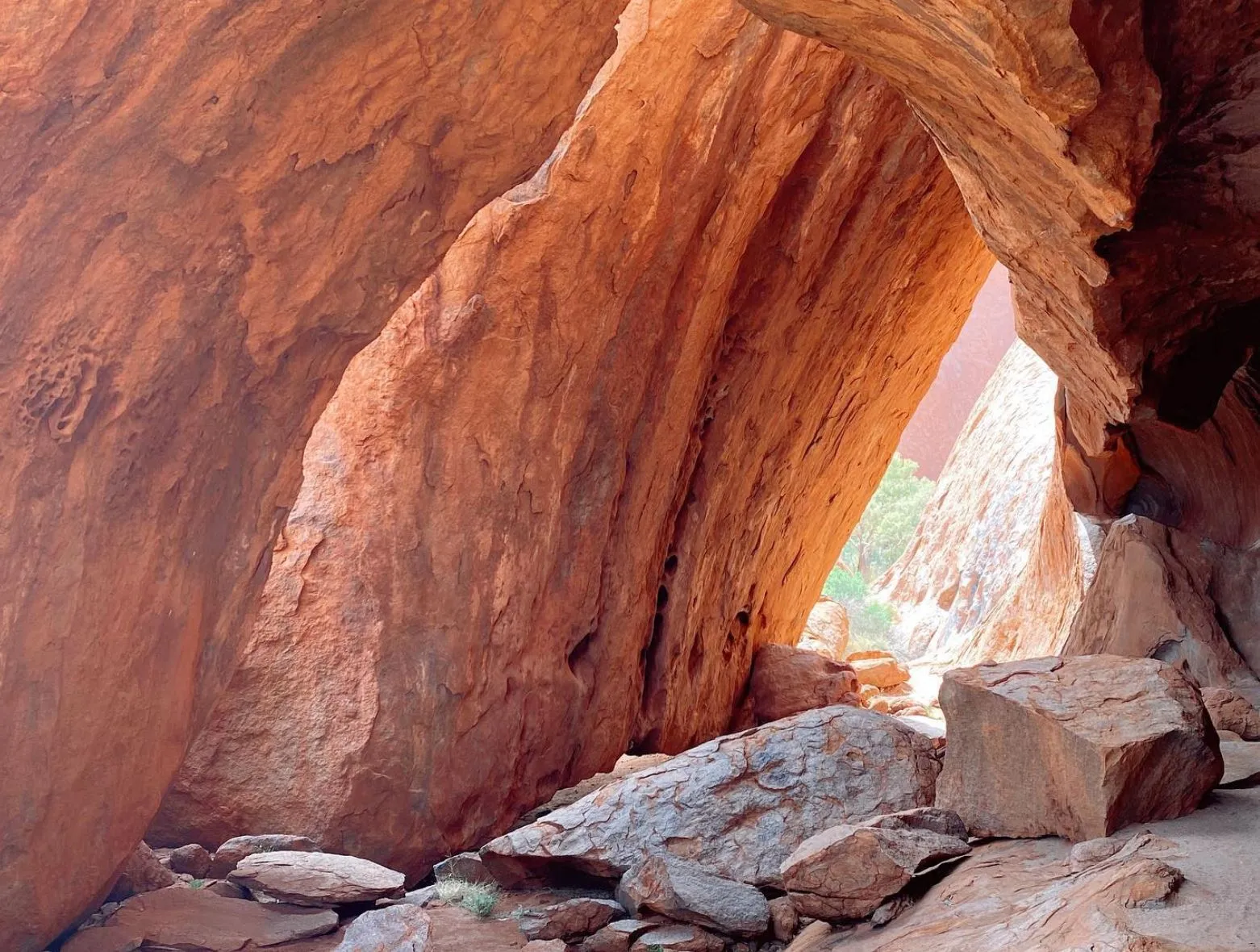
Uluru’s story began 550 million years ago during an ancient creation period when layers of sand and eroded mountain ranges were deposited by heavy rain and changing environments. These deposits, originally sand, became thick layers of arkose – a coarse-grained sandstone rich in feldspar. Over millions of years the immense pressure from the Earth’s movements compressed these layers into ancient rocks. While softer rocks around Uluru eroded away, the more resistant arkose remained and eventually emerged as one of the world’s most iconic ancient monoliths.
The red colour of Uluru comes from a natural process. Iron-bearing minerals in the arkose react with air and water, oxidising and creating a thin layer of iron oxide – the same process that rusts metal. This iron oxide gives Uluru its deep rusty red colour, especially against the vast desert plains and blue sky. Geologists say inside Uluru is grey; it’s the outer oxidised surface that gives it its colour. The geological history of Uluru is a testament to the powerful forces that have shaped Australia’s natural beauty and unique rock types over millions of years. Many visitors who go on Uluru tours are fascinated to learn about these geological processes firsthand from knowledgeable guides.
Uluru: Key Facts and Highlights
| Feature | Details |
|---|---|
| Location | Central Australian desert, Northern Territory |
| Age | Over 550 million years (geological formation) |
| Composition | Arkose sandstone (rich in feldspar) |
| Height | 348 metres above desert plains |
| Circumference | 9.4 kilometres |
| Traditional Owners | Anangu people (Aboriginal people of the region) |
| Cultural Significance | Sacred site, home to creation stories, ceremonies, and ancient paintings |
| Surface Colour | Red, caused by iron oxide |
| Surrounding Attractions | Kata Tjuta (The Olgas), Kings Canyon, Alice Springs |
| Protected Status | Uluru-Kata Tjuta National Park, UNESCO World Heritage |
Meaning to Anangu
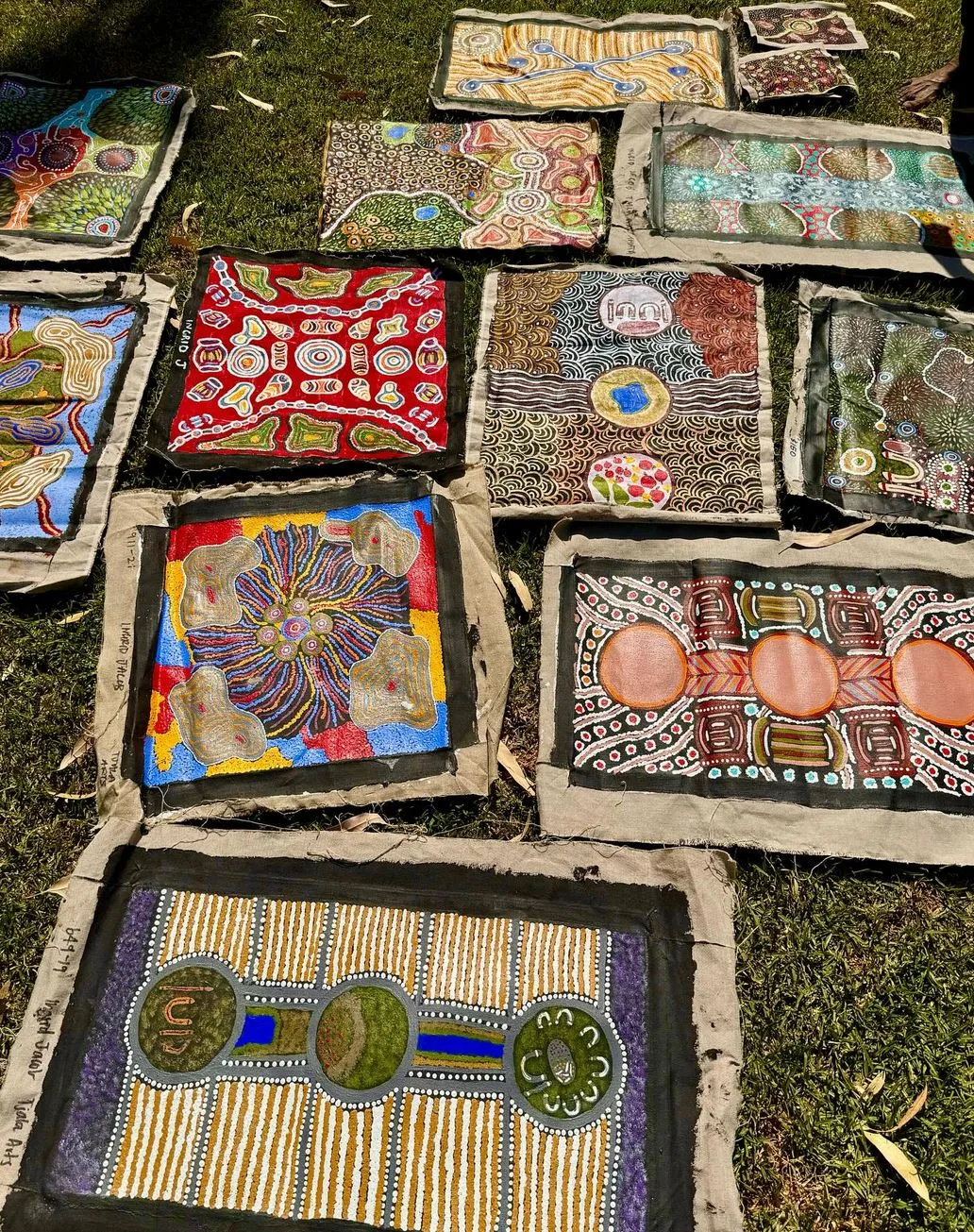
For the Anangu, the traditional owners of Uluru, this is more than a geological wonder. Uluru is a living cultural landscape with deep spiritual and cultural significance. According to Anangu history and the Dreamtime creation stories—Tjukurpa—Uluru was formed by ancestral beings who shaped the land, people and animals during creation. The forms of people, sacred sites and even the contours of Uluru itself are seen as evidence of these powerful ancestral beings. Each cave, rock formation and ancient painting tells part of the story, connecting Anangu people to their ancestors and the land.
Anangu people still practice strong cultural ways at Uluru. Sacred ceremonies, traditional knowledge and passing on of creation stories are part of daily life. Visitors are asked to respect these cultural sites and the significance they hold for the traditional owners. Today Uluru and the surrounding national parks are UNESCO World Heritage-listed for both natural and cultural values. Joining Uluru 3 day tour with local Anangu guides is a rare opportunity to learn about cultural practices and sacred sites.
Natural and Cultural Wonder
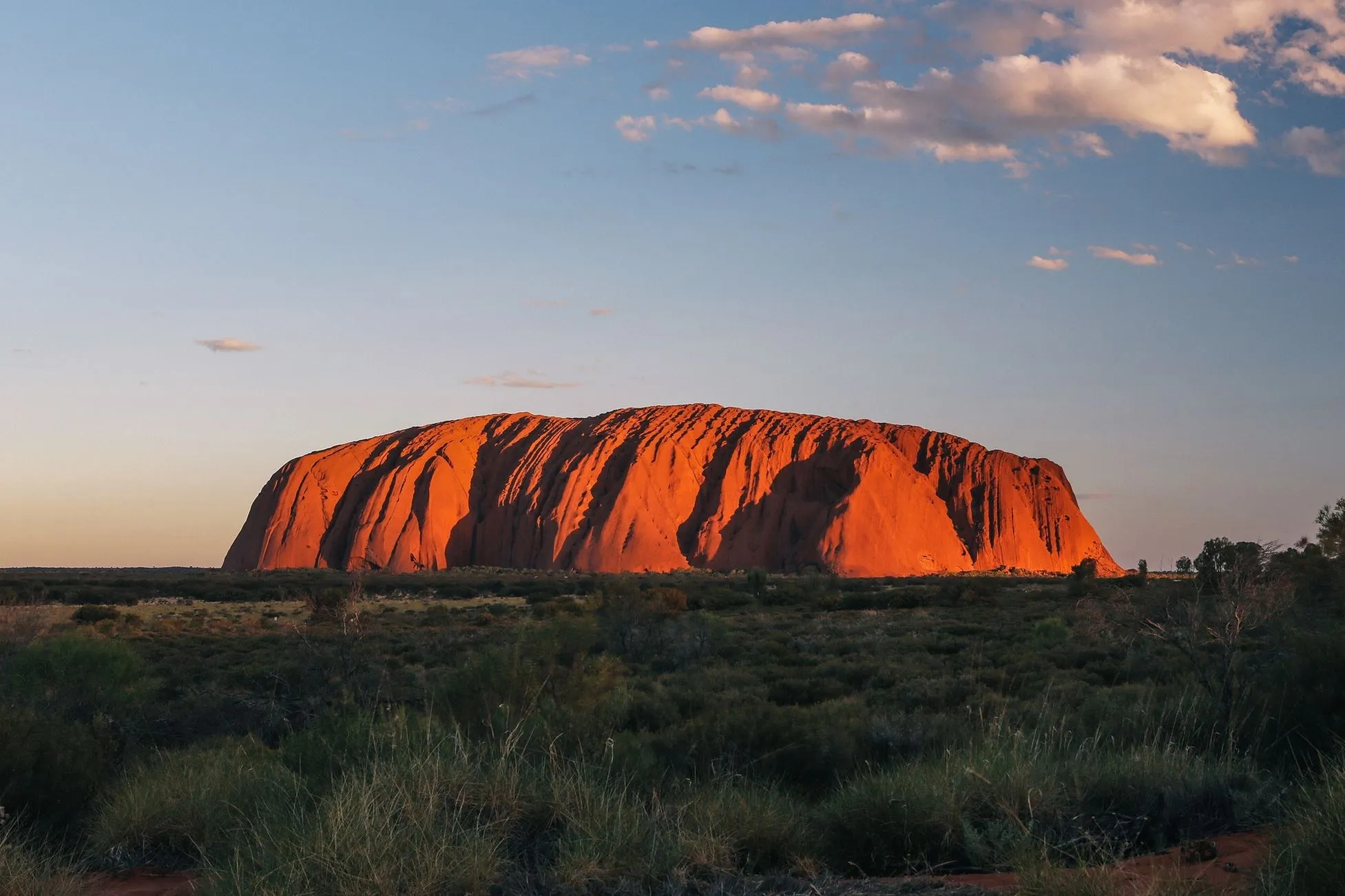
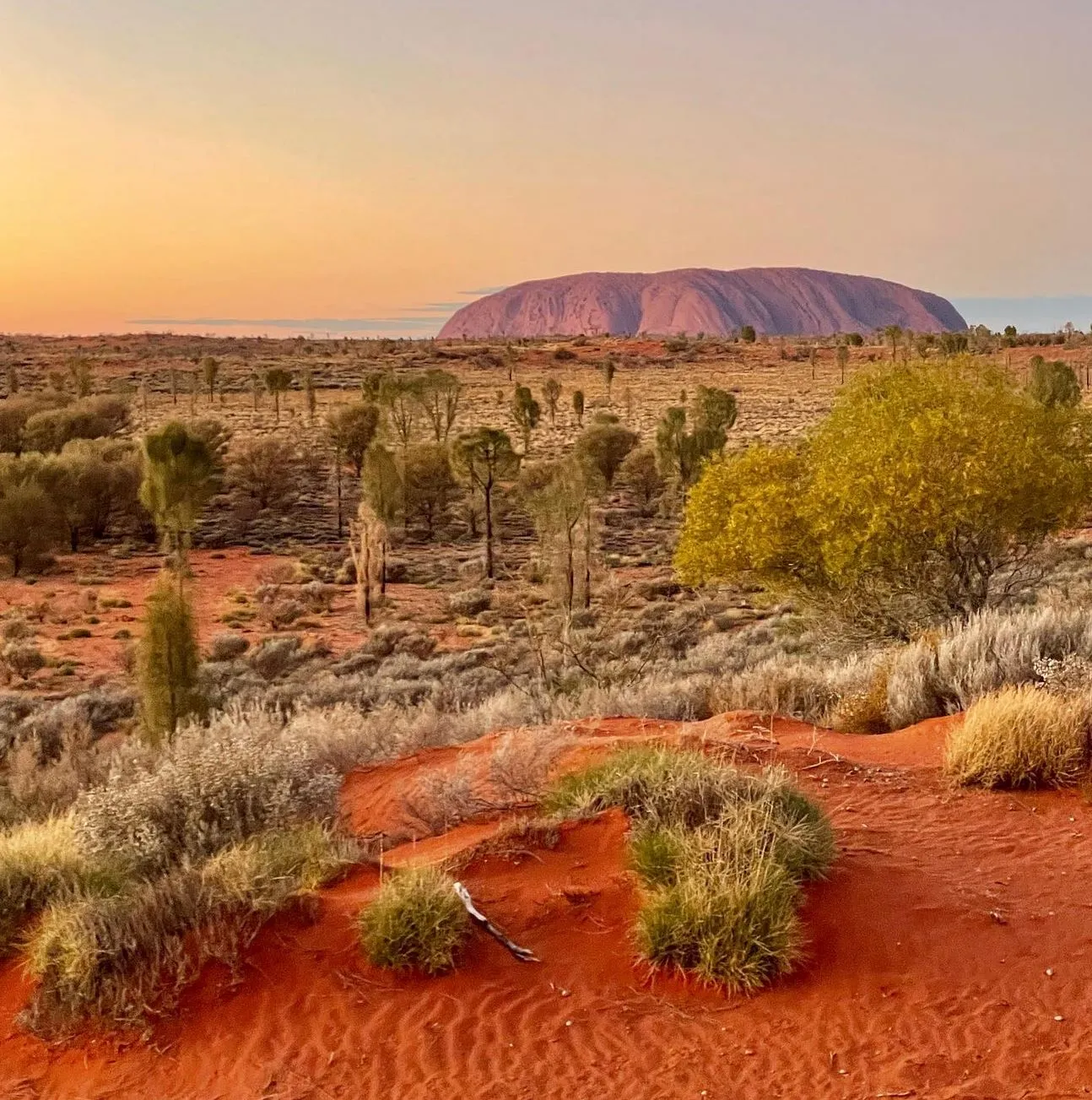
One of the most amazing sights in the Australian desert is watching Uluru change from ochre to crimson to deep purple as the sun rises and sets. This is because of the way the sunlight interacts with the iron oxide on Uluru’s surface. At sunrise and sunset the longer red and orange wavelengths dominate and the landscapes are stunning. The changing colours are not just a natural wonder but are also part of the local creation stories and the living spirit of the land. For photographers and nature lovers Uluru 3 day tour at these times are a must for capturing the rock’s beauty.
Red Desert Plains
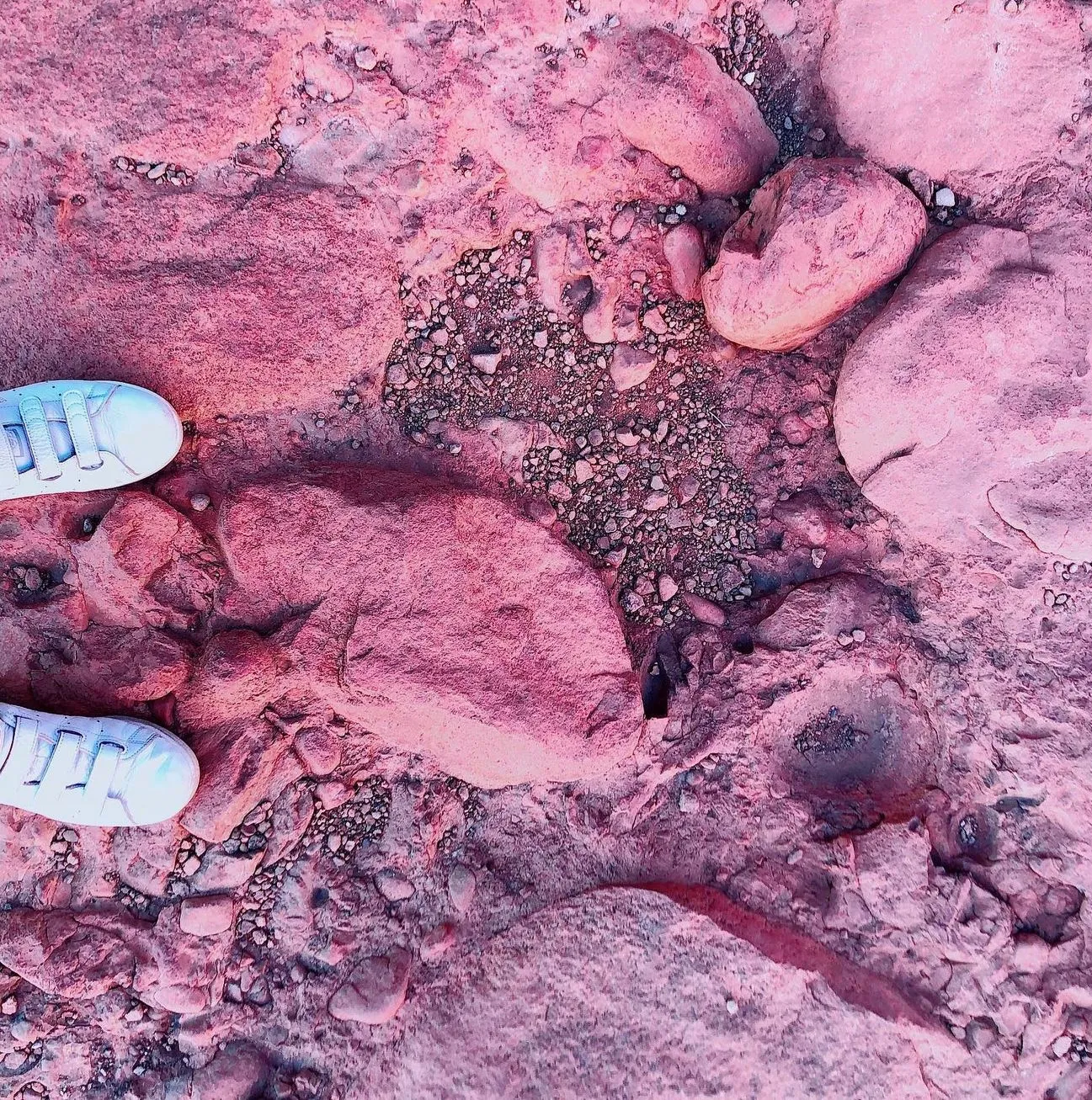
Uluru is situated in the middle of a unique desert environment. The red earth, iron oxide-rich, is the base for a wide variety of plant and animal life. Native grasses, desert oaks and mulga trees grow in these soils and the colours of the land provide camouflage for animals like red kangaroos, emus and the thorny devil lizard. The national parks around Uluru are home to many indigenous and cultural sites including rock shelters with ancient paintings and carvings. The connection between natural beauty and cultural heritage is everywhere. Many 3 day Uluru tours include guided walks through these habitats and learn about local flora, fauna and bush tucker.
Ancient Monoliths and Mountain Ranges
Exploring Uluru will take you to other amazing destinations in Central Australia. Kata Tjuta (The Olgas) is just 40 km from Uluru and has 36 massive domed rock formations and is another sacred site for the Anangu people. These ancient rocks are part of the same geological history as Uluru and are just as sacred. Kings Canyon in Watarrka National Park is known for its sheer cliffs, lush oasis and stunning walking trails that reveal breathtaking views of the desert plains and mountain ranges. For a more in-depth cultural and historical experience many people travel to Alice Springs, the gateway to the outback, to learn more about Aboriginal history, contemporary Indigenous art and local traditions. Many multi-day Uluru tours also visit these iconic destinations for the full Red Centre experience.
Suppose you want to get the most out of your adventure book a guided tour with Wildlife Tours—a leading tourist facility that offers expert guided tours through these amazing landscapes. These tours will give you a deeper understanding of the geological history, Aboriginal land and living cultural practices of the region.
National Parks, Cultural Sites and Responsible Tourism
Today Uluru and its surrounds are protected as part of Uluru-Kata Tjuta National Park, co-managed by the traditional owners and national park authorities. This partnership ensures both natural and cultural values are respected and preserved for future generations. The park has many cultural sites, walking trails and interpretive centres that help visitors understand the creation story, the significance of sacred sites and the deep connection Aboriginal people have to this land. Respect for the land, its stories and its custodians is an important part of the visitor experience.
Modern tourist facilities are designed to minimise environmental impact while maximising opportunities to learn about Aboriginal culture, geological wonders and the ancient monoliths of the Australian desert. Visitors can see ancient paintings, go on cultural tours and appreciate the beauty that has drawn people to this region for tens of thousands of years. Uluru tours now often focus on sustainable practices and respectful engagement with both natural and cultural sites.
Seeing the Majestic
The best time to visit Uluru is at sunrise or sunset when the rock is at its most colourful. Viewing platforms throughout the park offer stunning views of the monolith as it changes colour, the perfect time to reflect on the land’s history and geology. Cooler months May to September are ideal for walking the desert plains, walking the many trails and discovering the living cultural landscape that is Uluru. Booking Uluru tours during these months means you get the best conditions to explore the outback and learn about its unique heritage.
By visiting Uluru and its surrounds with respect and curiosity you can gain a deeper understanding of Australia’s most famous landmark – a place where ancient rocks, sacred sites and stories come together to create an unforgettable experience.
FAQ
Why is Uluru red?
Uluru’s red colour is from the oxidation of iron-bearing minerals in the sandstone, forming a thin layer of iron oxide on the surface. This process happened when Uluru was originally sand, compressed into ancient rock over millions of years during the creation period.
Does Uluru always look red?
No, Uluru changes colour throughout the day and year, and sunrise and sunset are the most spectacular. The red colour intensifies at dawn and dusk due to the angle of the sun and atmospheric conditions.
Why is Uluru important to Aboriginal people?
Uluru is a sacred site with deep connections to the cultural practices, creation stories and history of the Anangu people. It is Aboriginal land and a living cultural landscape, central to ceremonies, teachings and the transmission of cultural heritage.
Can you see ancient paintings and cultural practices at Uluru?
Yes, many ancient paintings, carvings and rock shelters around Uluru display Aboriginal history, cultural sites and forms of people and animals from the Dreamtime.
What else should I see near Uluru?
Nearby attractions include Kata Tjuta (The Olgas), Kings Canyon and Alice Springs – each with their own geological history, cultural significance and natural beauty.